The Long and Winding Road to Publication

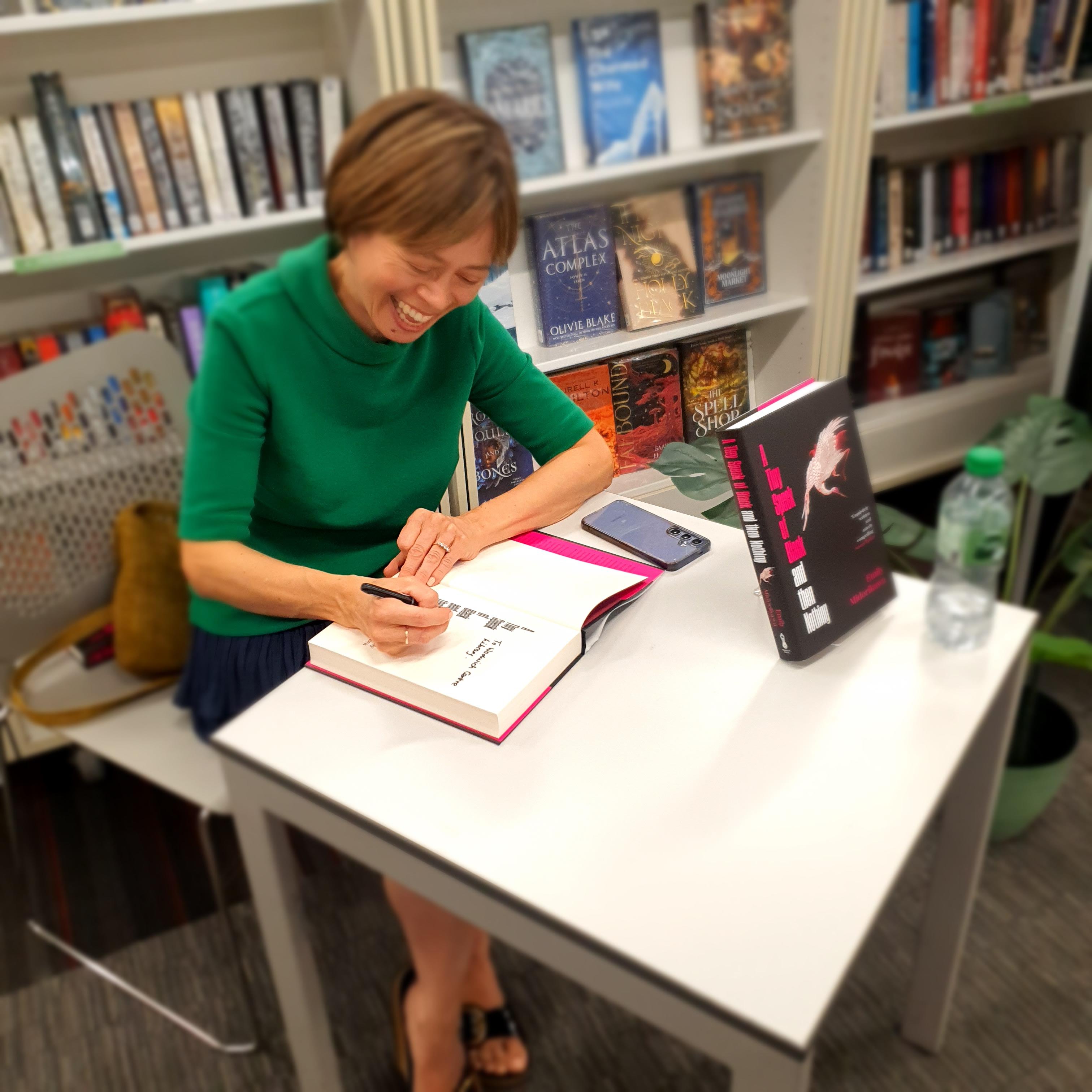
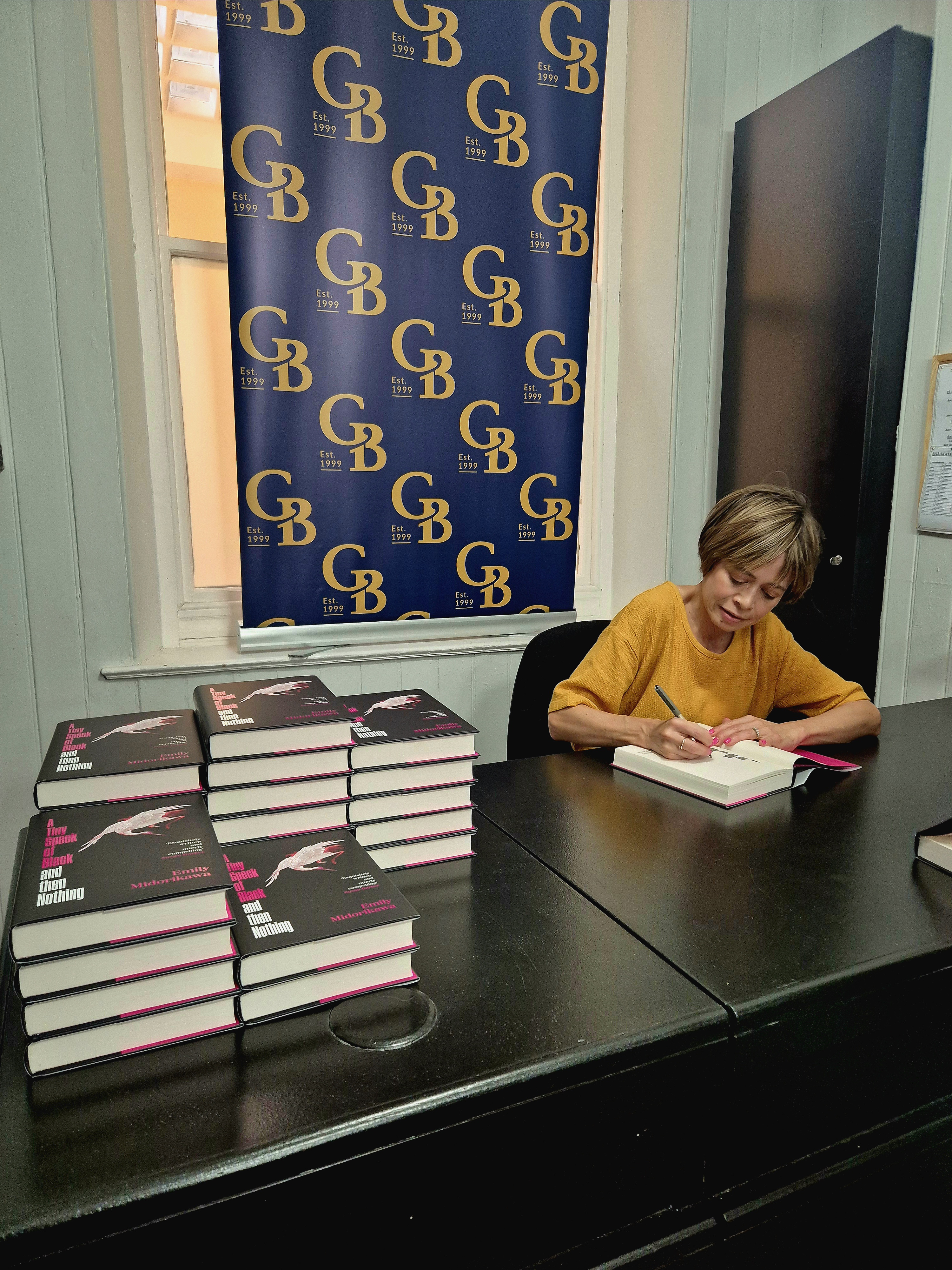
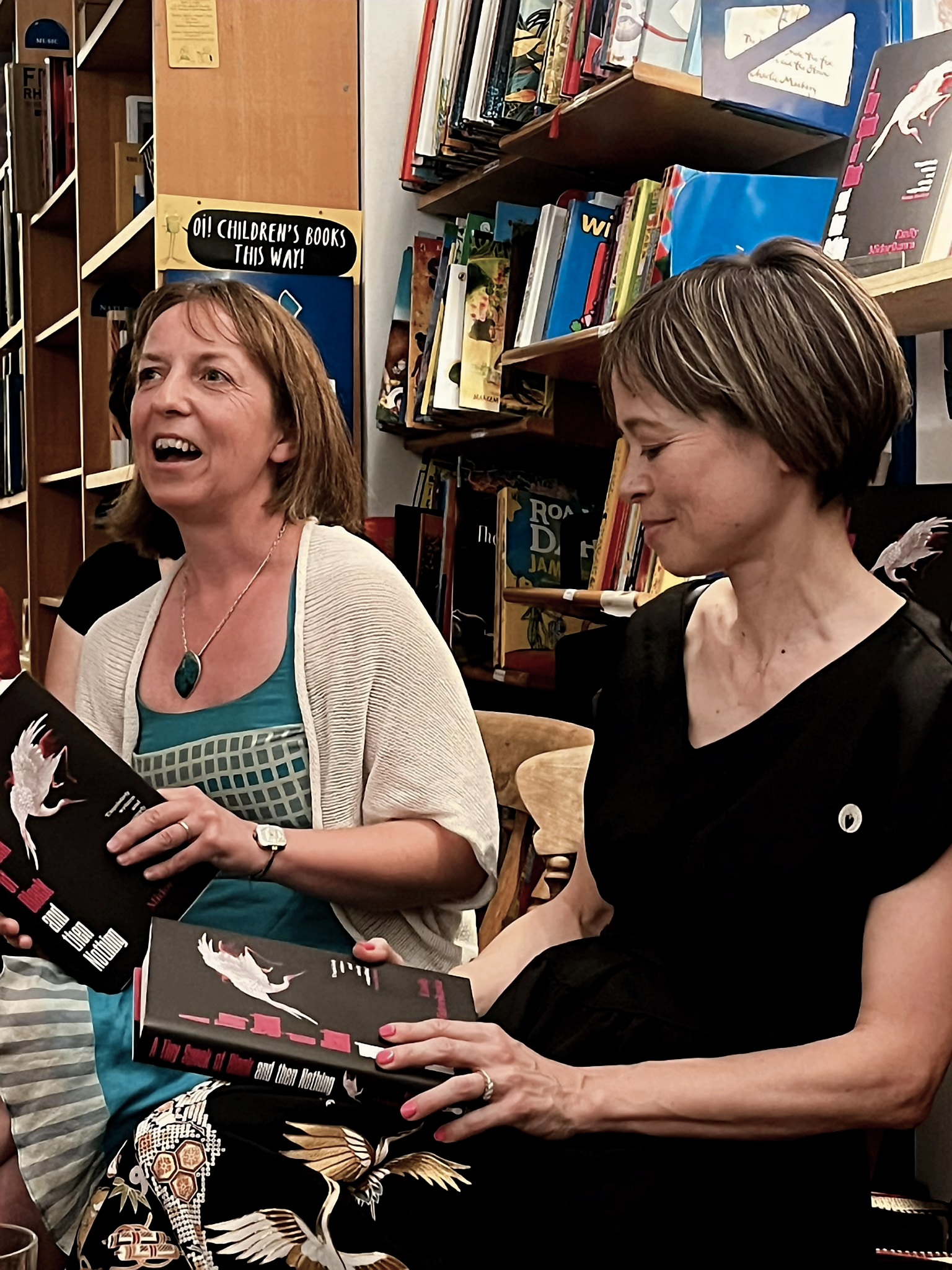
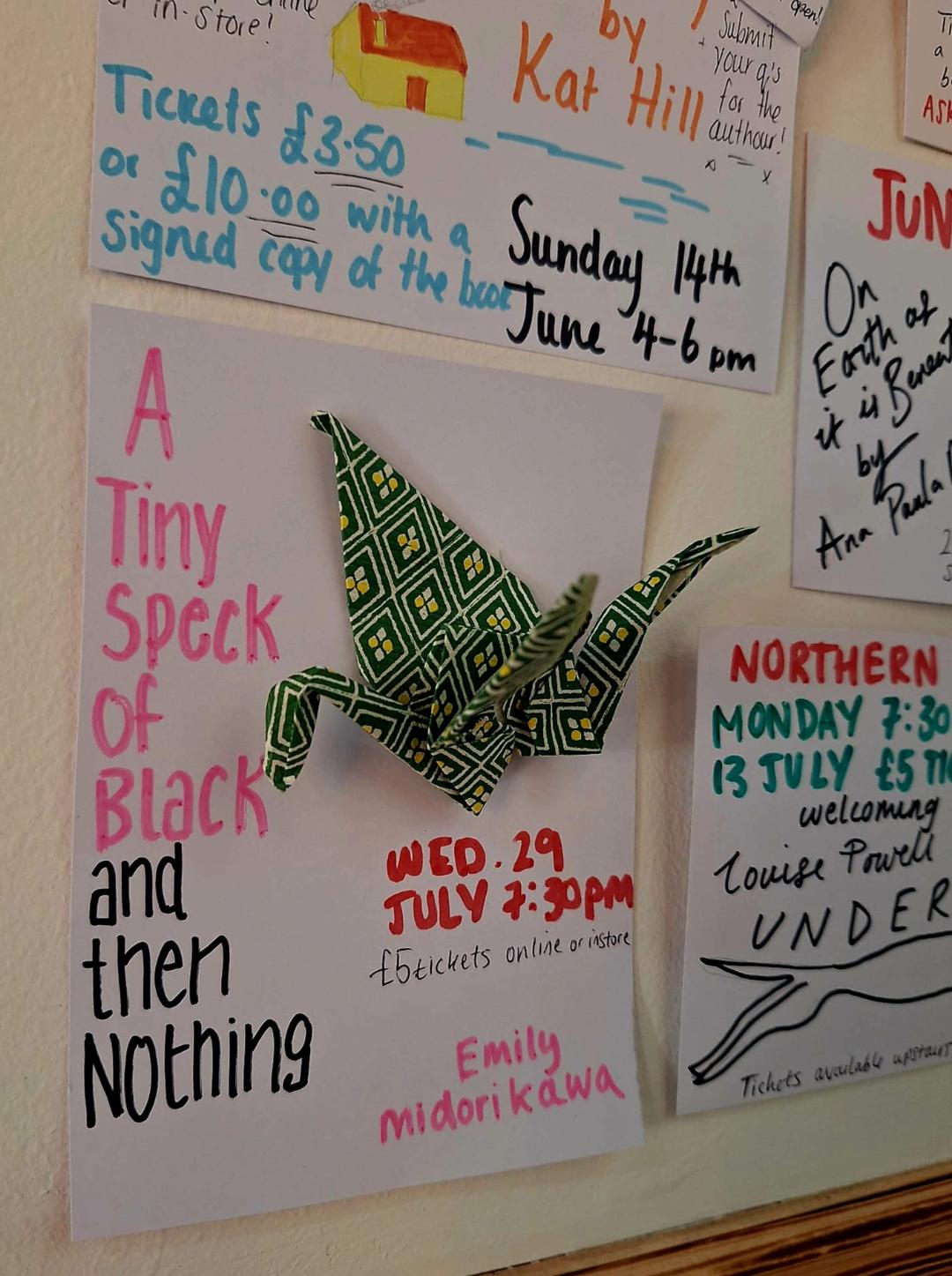
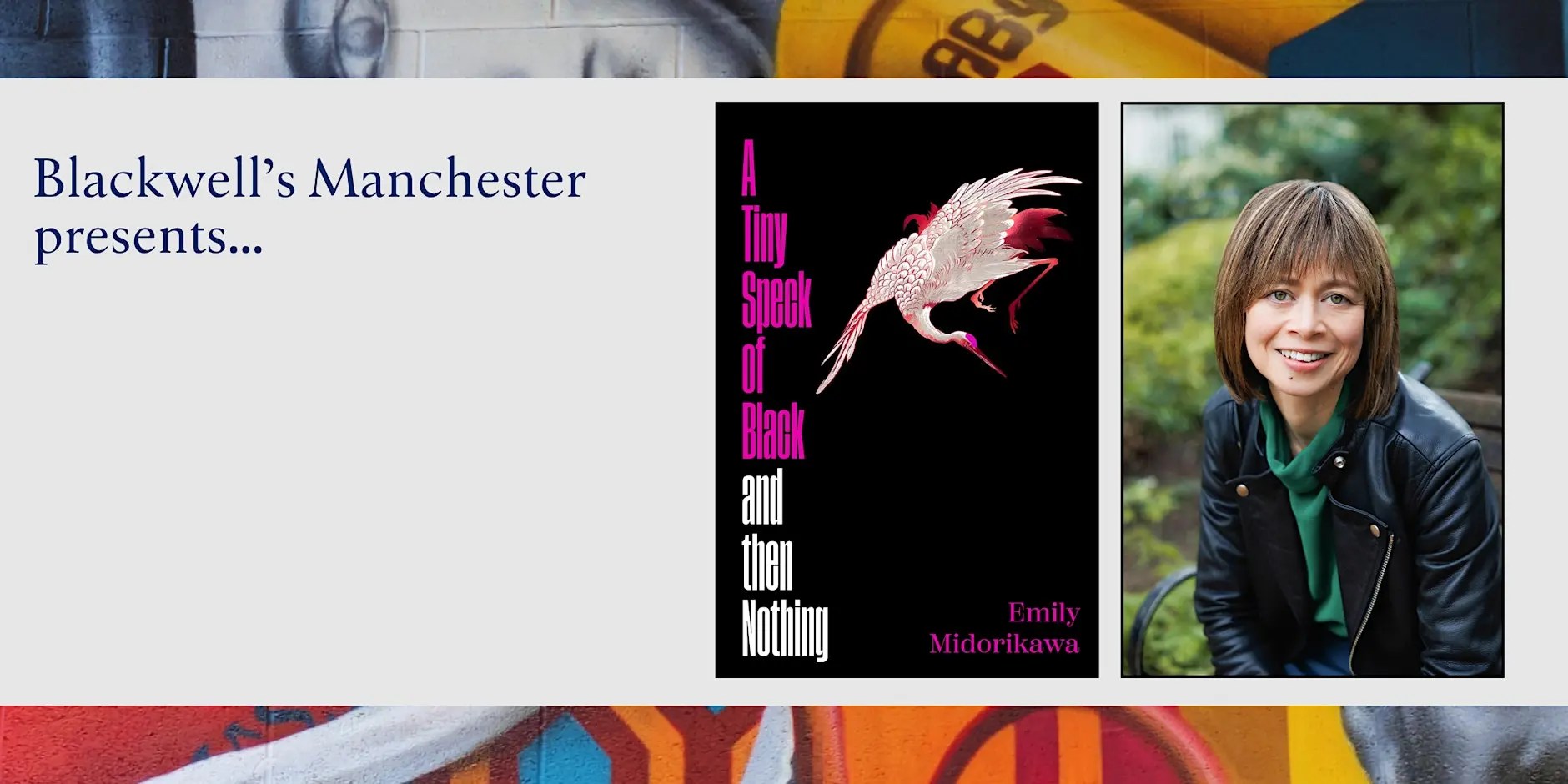
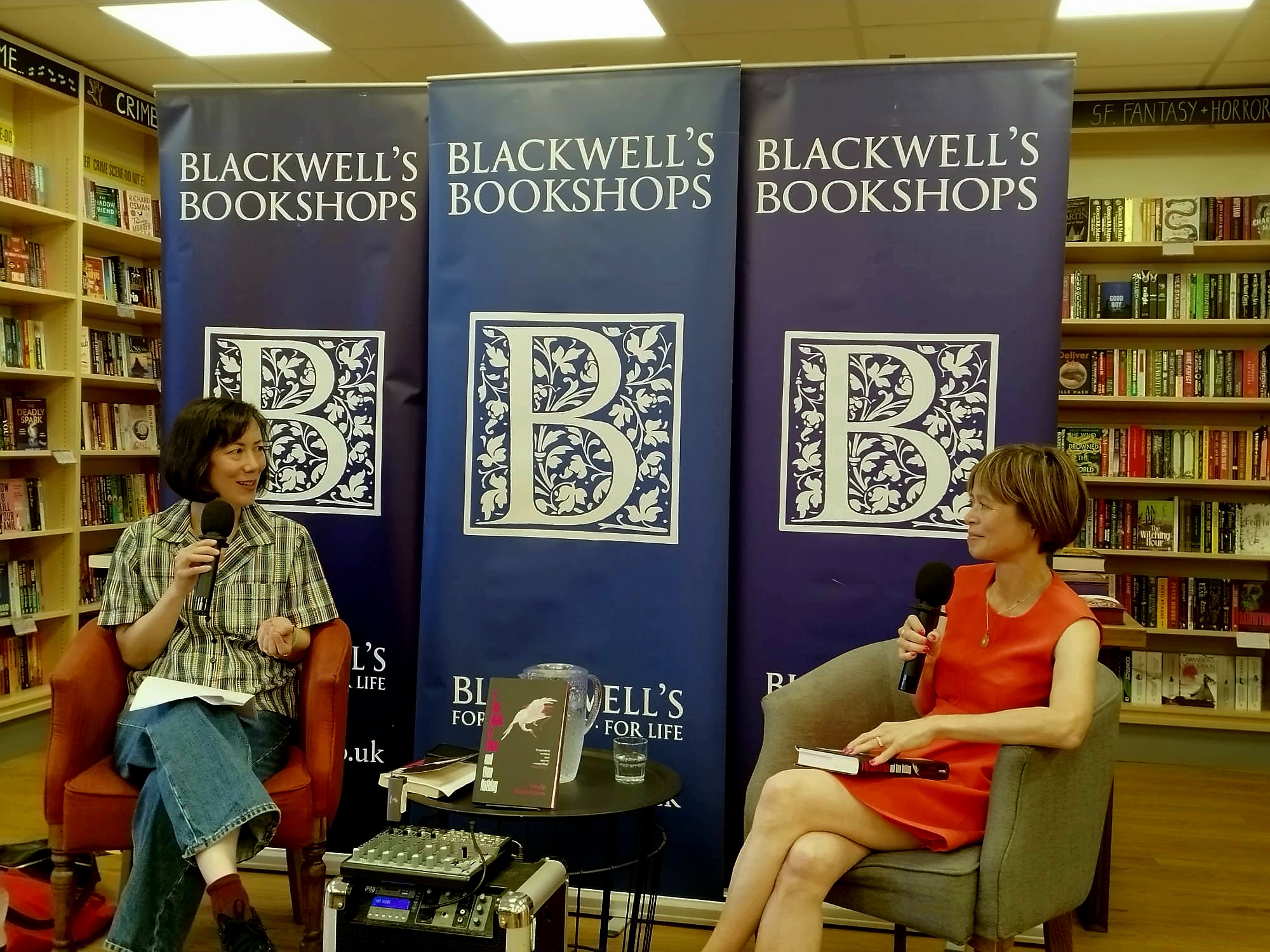
There are just under three months to go until A Tiny Speck of Black and then Nothing, the novel I began over twenty years ago, will be published in the UK. I’ll be back in Britain for much of the summer and will be marking publication day with an event at Blackwell’s, Manchester on Thursday 23 July. I will be in conversation with Susan Barker, author of the highly acclaimed literary horror novel Old Soul among other brilliant books.

I still sometimes struggle to comprehend that I am in this position at all – preparing to speak at public events about a novel I’d once thought would never see the light of day. Tickets are available here. If you can make it to Manchester, I would love to see you at Blackwell’s!

As I wrote last month, I began writing A Tiny Speck of Black and then Nothing when I was in my early twenties and working as an English language teacher in Japan. After returning to the UK, aged 23, I initially moved back to the town where I grew up, took a part-time secretarial job that left me ample time to keep working on my novel, and began applying to university creative writing programmes.

Following an acceptance to UEA’s famous MA course, I packed the bag containing my laptop and the loose printed pages of my novel-in-progress with a great deal of nervous excitement. But my time at UEA, though wonderful in many ways, would turn out to be more emotionally difficult than I’d anticipated.

Halfway through the year, my father died. Losing him when I was still only in my mid-twenties, had a profound effect on me. Afterwards I never felt young in the same way again, and, looking back, I can see how the grief I felt transformed the way I wrote about loss in my book.

By the time I left UEA, I had a scrappy first draft. An extract published in that year’s course anthology attracted the interest of a couple of literary agents, but it didn’t lead to any formal offers of representation, much less to a publishing deal.

Still, I kept going, (mostly) firm in my belief that – although aspects of my novel still needed lots of work – I had a story worth telling. Eventually, a different agent took me on and, after revising the manuscript extensively with her, I steeled myself as it went out on mass submission to publishers. Some editors showed an interest in the book’s urban Japanese setting; my depictions of hostess bars; and the central storyline of an intense friendship between two young women, one of whom suddenly disappears. But, although I seemed to get close on a few occasions, it didn’t lead to a publishing contract.

By this stage, I had been living with A Tiny Speck of Black and then Nothing for a long time – around eight years in fact. Having already committed so much time and energy to the novel, it was very difficult to put it aside. Dejectedly, I did, though, to concentrate on other writing projects, including various collaborations with Emma Claire Sweeney, whose friendship – as I described in my March post – has been of the utmost importance to me.

In 2012, my mother died. I was 32, still relatively young to have lost both my parents. Again, as in the case of my dad’s passing, the long shadow cast by Mum’s death would go on to affect the ways in which I approached the theme of loss in my novel when I unexpectedly found myself returning to work on it some years into the future.

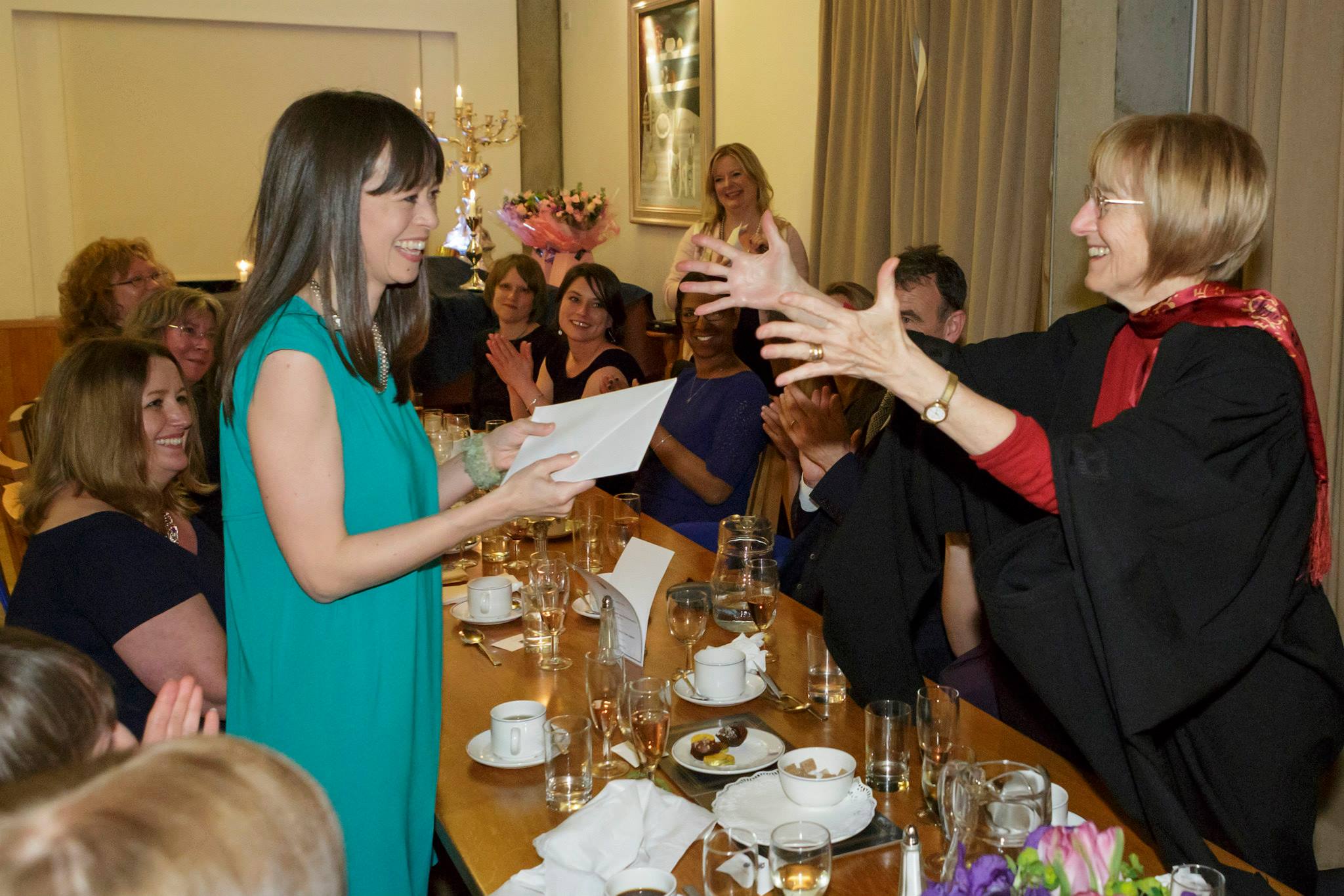
During the decade and more when A Tiny Speck of Black and then Nothing largely languished in a metaphorical bottom drawer, I occasionally dusted off the draft to enter it into competitions for unpublished writers. My novel had some success with the SI Leeds Literary Prize and Yeovil Literary Prize. Then in 2015, it made the shortlist for the influential Lucy Cavendish Fiction Prize. At that year’s prize ceremony, to which I took Emma as my guest, I was stunned to hear my name announced as the winner.

Being announced as the 2015 winner of the Lucy Cavendish Fiction Prize by Professor Janet Todd OBE
(Image courtesy of Lucy Cavendish College)

It is hard to overstate the impact of these small victories on my confidence at a time when my belief that A Tiny Speck of Black and then Nothing would ever be published was at an all-time low. These wins opened doors, offered unexpected opportunities and led to lasting friendships with fellow shortlistees and other people associated with the awards.

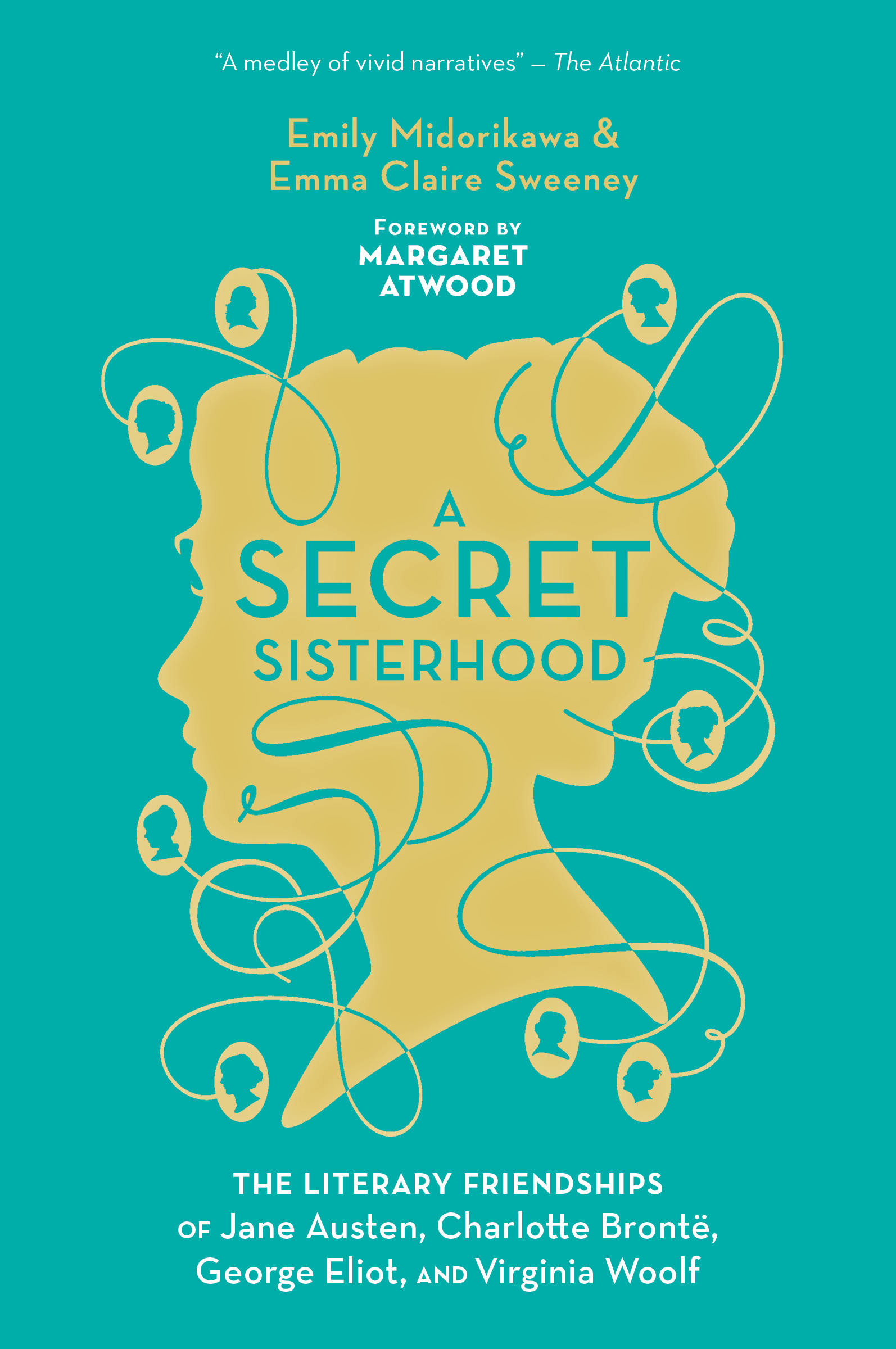
Such prizes also helped me to be taken more seriously when I was pitching proposals for my two nonfiction books, A Secret Sisterhood (cowritten with Emma Claire Sweeney) and Out of the Shadows, published in 2017 and 2021 respectively. Both were historical group biographies. I relished the research and writing of these works, but after Out of the Shadows came out I decided that I wanted to give fiction another go.

As the mother of two small children by then, my progress was slow and steady. But I had begun a new novel when, completely out of the blue, in early 2024, I received word from my agent that that an editor who’d read the manuscript of A Tiny Speck of Black and then Nothing some time ago was asking if it was still available.

In the years since she had begun representing me as a writer, my agent (whose commitment to this novel has been extraordinary) had continued to show my manuscript to editors from time to time. As before, some had shown an interest but nothing had ever worked out. So, although I was happy for this editor to take another look at the work, I didn’t hold out much hope.

You can imagine my amazement then when, two decades after I first began writing my novel, I found myself signing a publishing contract at last – and being faced with the somewhat daunting prospect of returning, in mid-life, to a book I originally conceived as a young woman.

The process of revising the manuscript for publication has been surprising, challenging and illuminating – and more than a little uncanny at times. There has also been pleasure in meeting the writer I once was on the page, and in the realisation that the passage of time has, in fact, enriched the story I am able to tell.

In May, I will explore what it’s like to come back to a creative work after a long break.  If you would like to make sure you receive this next monthly post, and others like it, you can sign up for my newsletter here.
A Tiny Speck of Black and then Nothing will be published by Manilla Press on 23 July 2026 and is available for pre-ordering now.

Tickets for my Blackwells, Manchester event with Susan Barker are available here.

In Exactly the Right Place at Exactly the Right Time

At the start of 2003 – the year in which my forthcoming debut, A Tiny Speck of Black and then Nothing, is set – I was a young English language teacher working in Japanese high schools. I had arrived on the island of Shikoku two summers before, in late July 2001, bringing with me the secret desire to write – and publish – a novel.

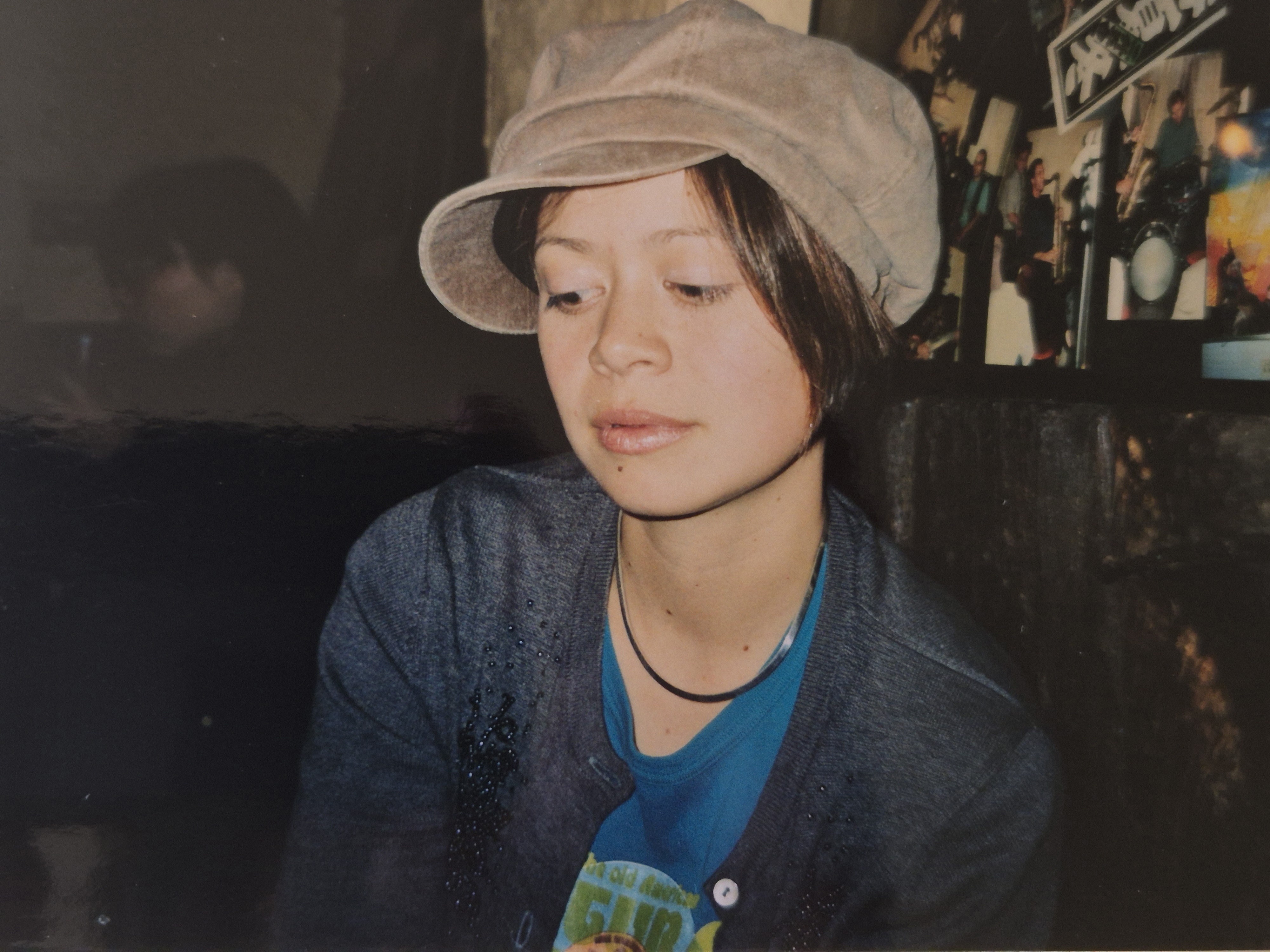
The novice writer I once was (© Erica Crump)

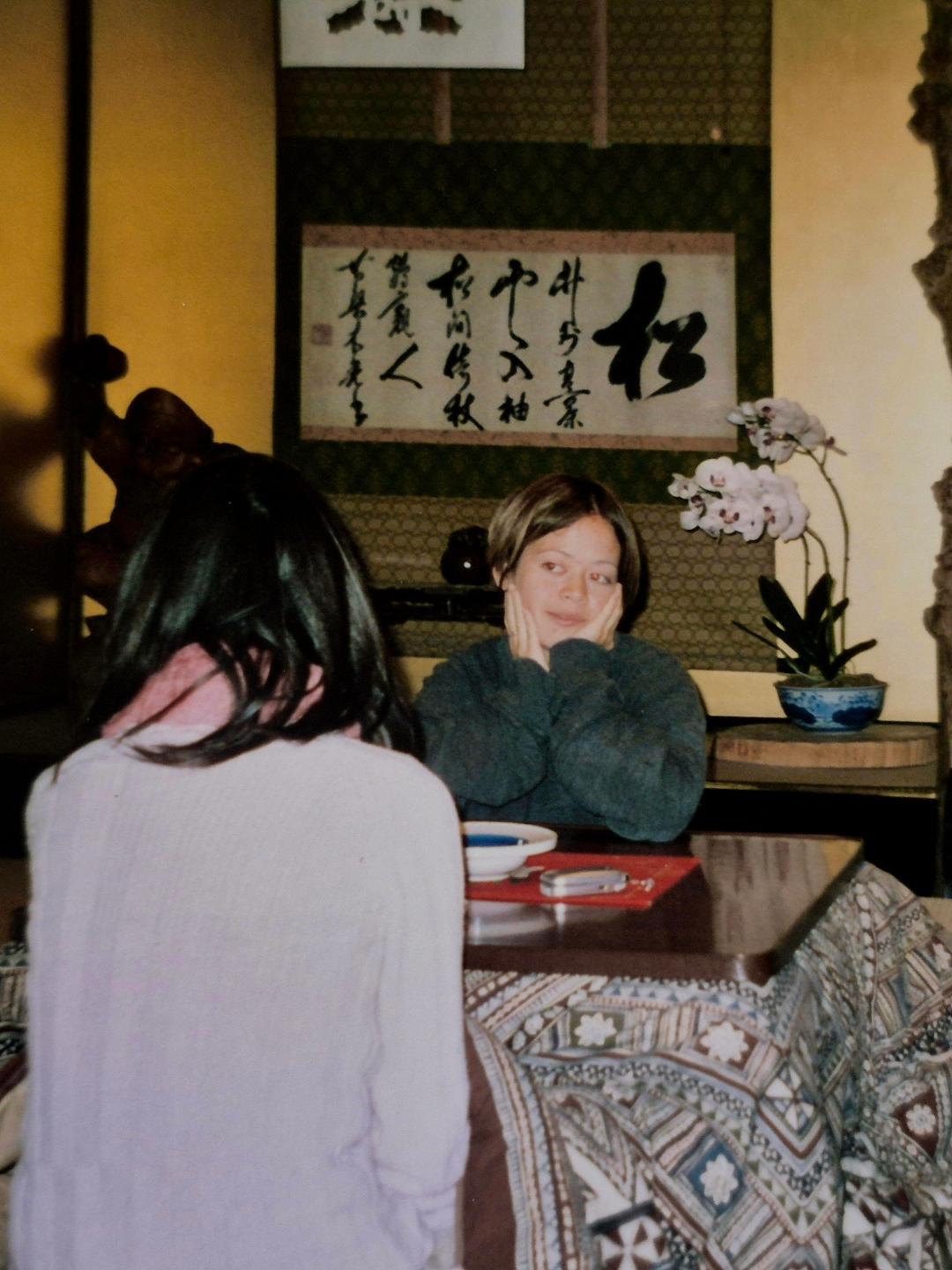
I had recently graduated from university and the decision to spend some time living in Japan had seemed a natural one. My mother was Japanese and, although I wasn’t bilingual, I had grown up in a home steeped in Japanese traditions. Unusually for the northern England of the 1980s, for instance, our family never wore shoes indoors. Our regular meals might include tempura, tonkatsu, bowls of rice and miso soup. There were Japanese books on my parents’ shelves; hanging scrolls daubed with swirling kanji hanging from the walls.

When I applied for the job, I’d hoped to be offered a position in one of Japan’s urban centres: Tokyo, Kyoto or perhaps Osaka, the major city I’d get to know best and the place where my novel is set. I was initially disappointed to learn that I would be posted to Matsuyama, the comparatively small capital of Ehime Prefecture, located on the smallest of Japan’s four main islands.

The location, however, would turn out to be serendipitous. Quite apart from the fact that I would grow very fond of Matsuyama itself, I can now look back and feel that, on a personal level, it was exactly the right place for me to be at exactly the right time.

For one thing, I consider it a great stroke of luck that my arrival in Ehime Prefecture coincided with that of another young woman, Emma Claire Sweeney, who had been offered a similar job in a nearby town. Like me, Emma secretly hoped to write and publish a book some day and, although we initially said nothing to each other of our shared ambitions, we became firm friends very quickly.

We often travelled together – Emma at the wheel of the car while I sat in the passenger seat, paper map in hand, directing us inexpertly. At the parties we went to, we’d huddle together in the corner, talking nonstop between sips of Asahi beer. Still, we didn’t mention our shared interest in writing, but as the months passed our conversations frequently turned to books we’d been reading and the writers we each admired.

When in the summer of 2002 we finally ‘came out’ to each other as aspiring authors, it felt like such a relief. We both sensed immediately that we would be able to support each other practically and emotionally – that we could try to achieve our aims together.  

Although Emma left Japan, to continue travelling in Asia, shortly afterwards, our friendship only grew stronger.

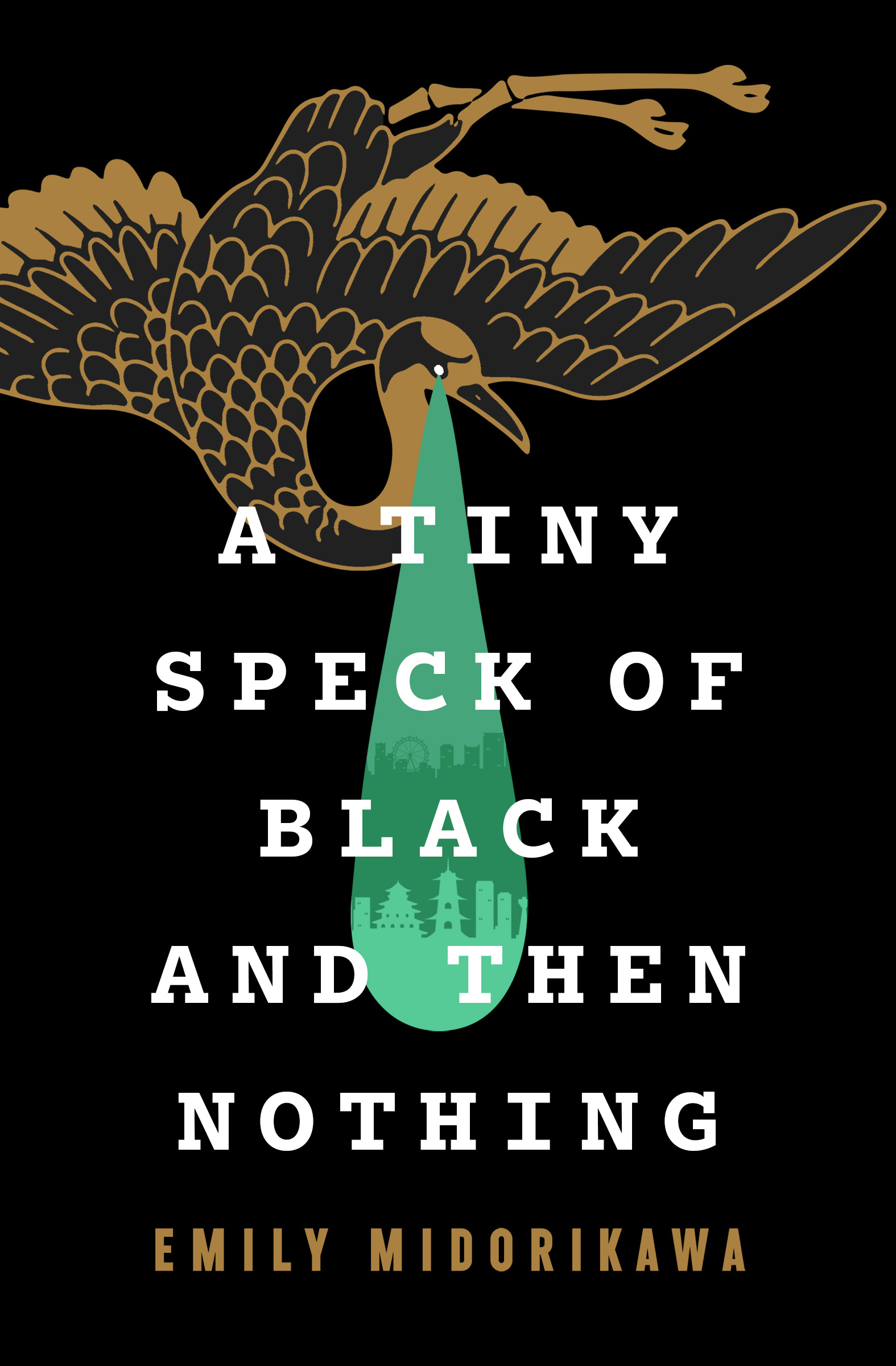
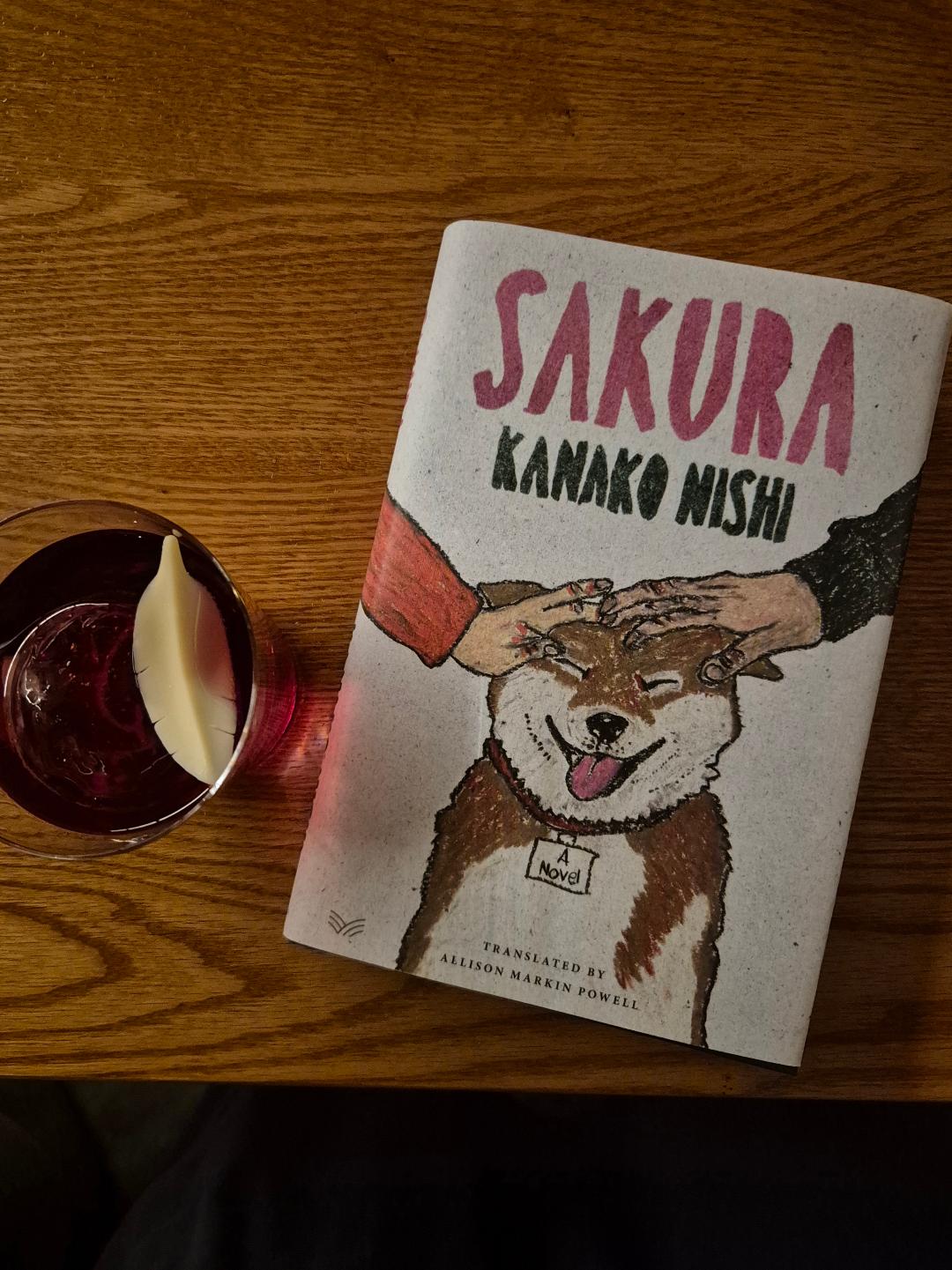
US paperback cover (same book, different title)

After many years of critiquing each other’s manuscripts and even publishing a number of cowritten articles, we published a jointly-authored group biography, A Secret Sisterhood: The Hidden Friendships of Austen, Brontë, Eliot and Woolf, which explored historical literary collaborations.

In addition to my important friendship with Emma, the other gift my time in Matsuyama gave me was the luxury of solitude.

Prior to moving to Japan, I had always lived with other people. Now I rented a tiny studio apartment on my own and, although I never felt that I lacked for friends, including Emma, I seemed to spend great swathes of each week alone. I used to while away many hours reading books in favourite cafes, watching English-language films with Japanese subtitles rented on chunky video cassettes, or simply riding my bicycle around the streets of the city: passing roadside shrines; traditional noodle bars tucked behind curtained doorways; fashionable clothing boutiques, J-pop melodies trailing from their doors.

I would record my impressions of sights like these, and much more, in a series of  notebooks. Over time, I began jotting down snippets of fiction among these day-to-day scribblings. Eventually, I started writing my way into a version of the book that would eventually become my debut novel.

When my plane rose into the sky above Matsuyama in July 2003, at the start of my journey back to Britain, I could feel how much I’d changed from the person I was when I arrived two years before. I had a better understanding of the country in which my mother had grown up; I’d found a friend who shared the same writerly ambitions as me;  now that I had committed to the book I was writing, I even had an end goal:

I would finish my novel and try to find a publisher. It sounded simple when I put it like that. But, as I’ll explore here next month, these things would be much easier said than done.

A Tiny Speck of Black and then Nothing will be published in the UK on 23 July 2026 (US release date to follow) and is available for pre-ordering now.

If you would like to receive my monthly newsletter, please sign up for my mailing list here.

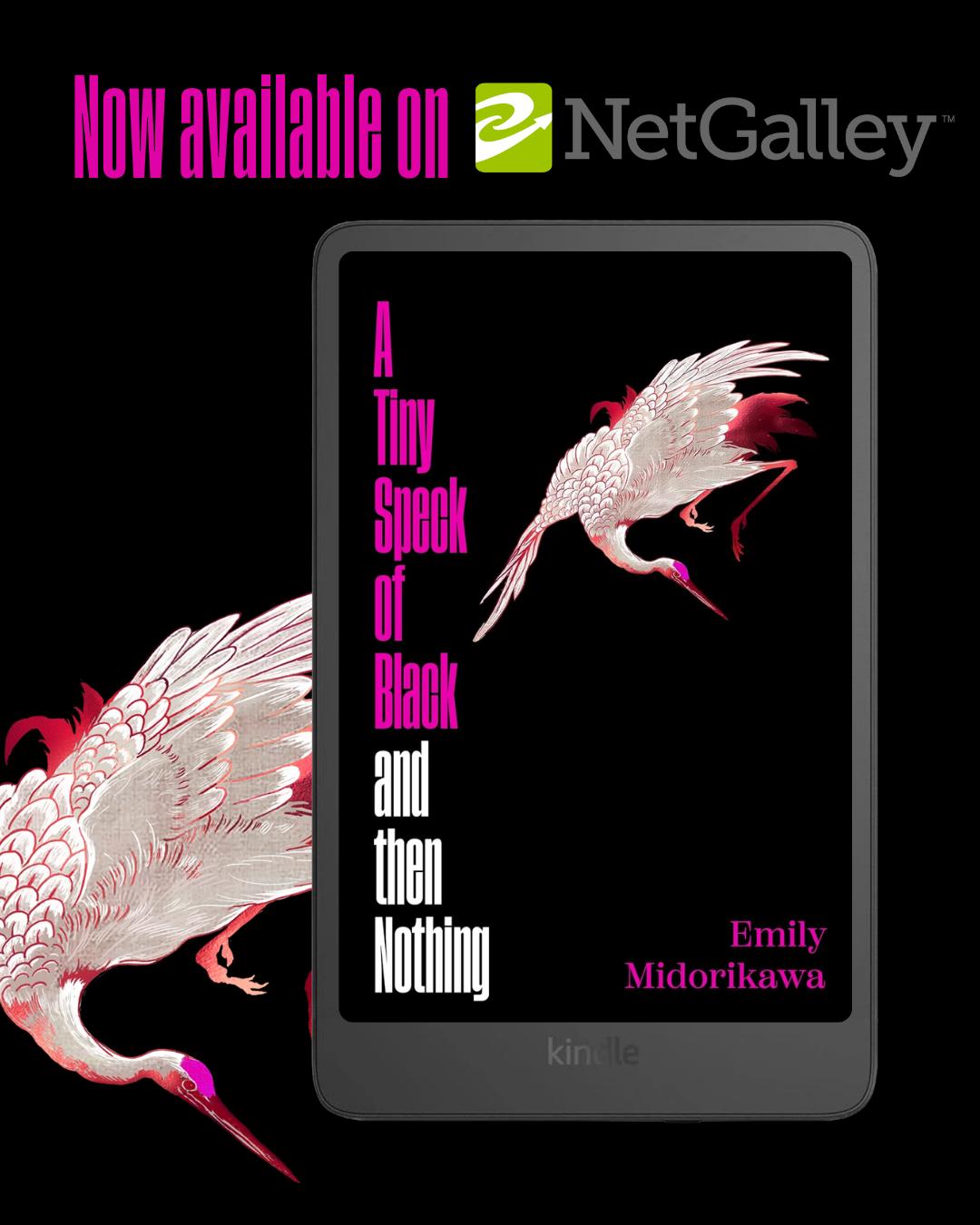
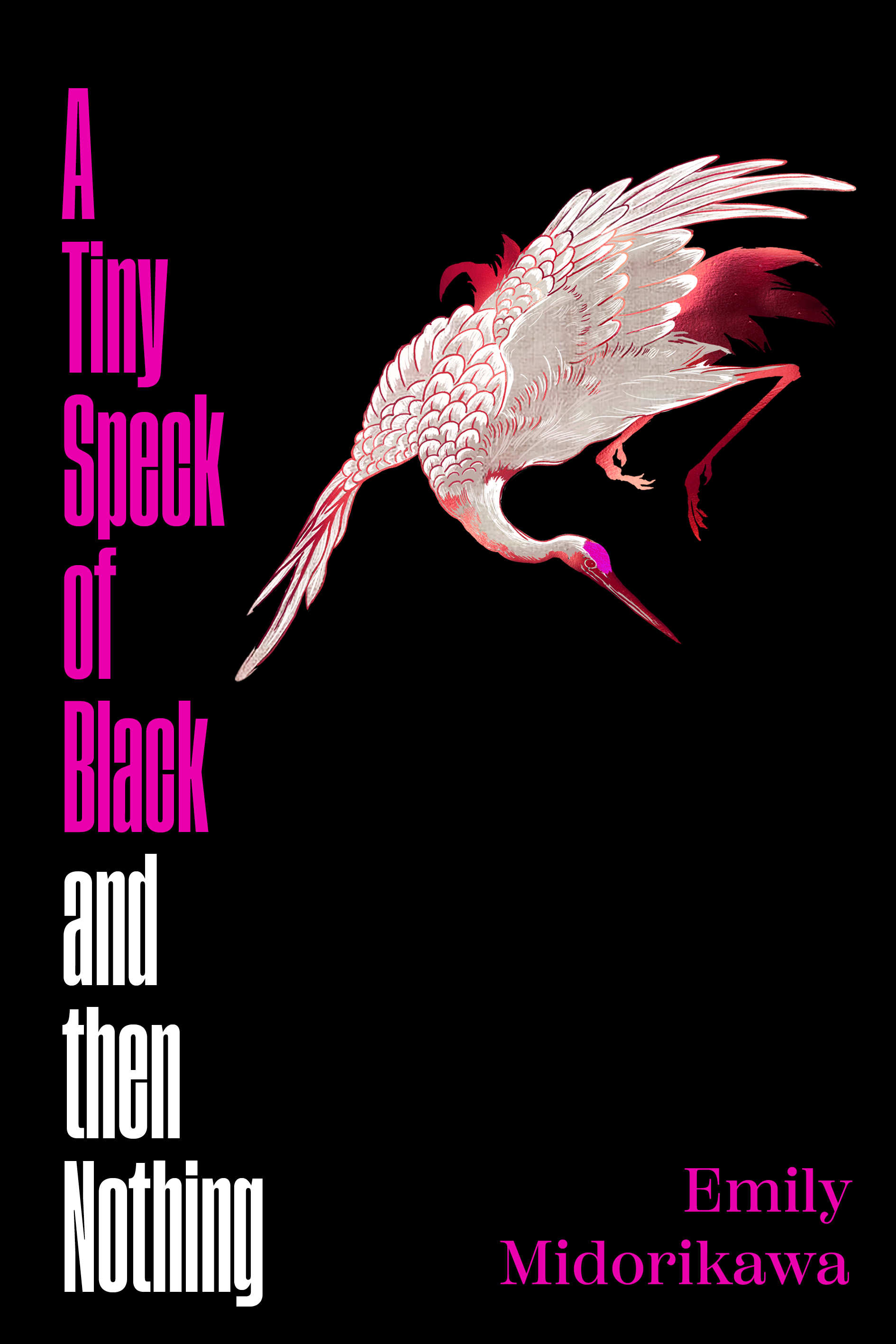
A Tiny Speck of Black and then Nothing – available for preorder!

After a long hiatus, I’m so happy to be able to be able to announce that I have a new book coming out this year!

A Tiny Speck of Black and then Nothing – my debut novel – will be published by Manilla Press in July 2026.

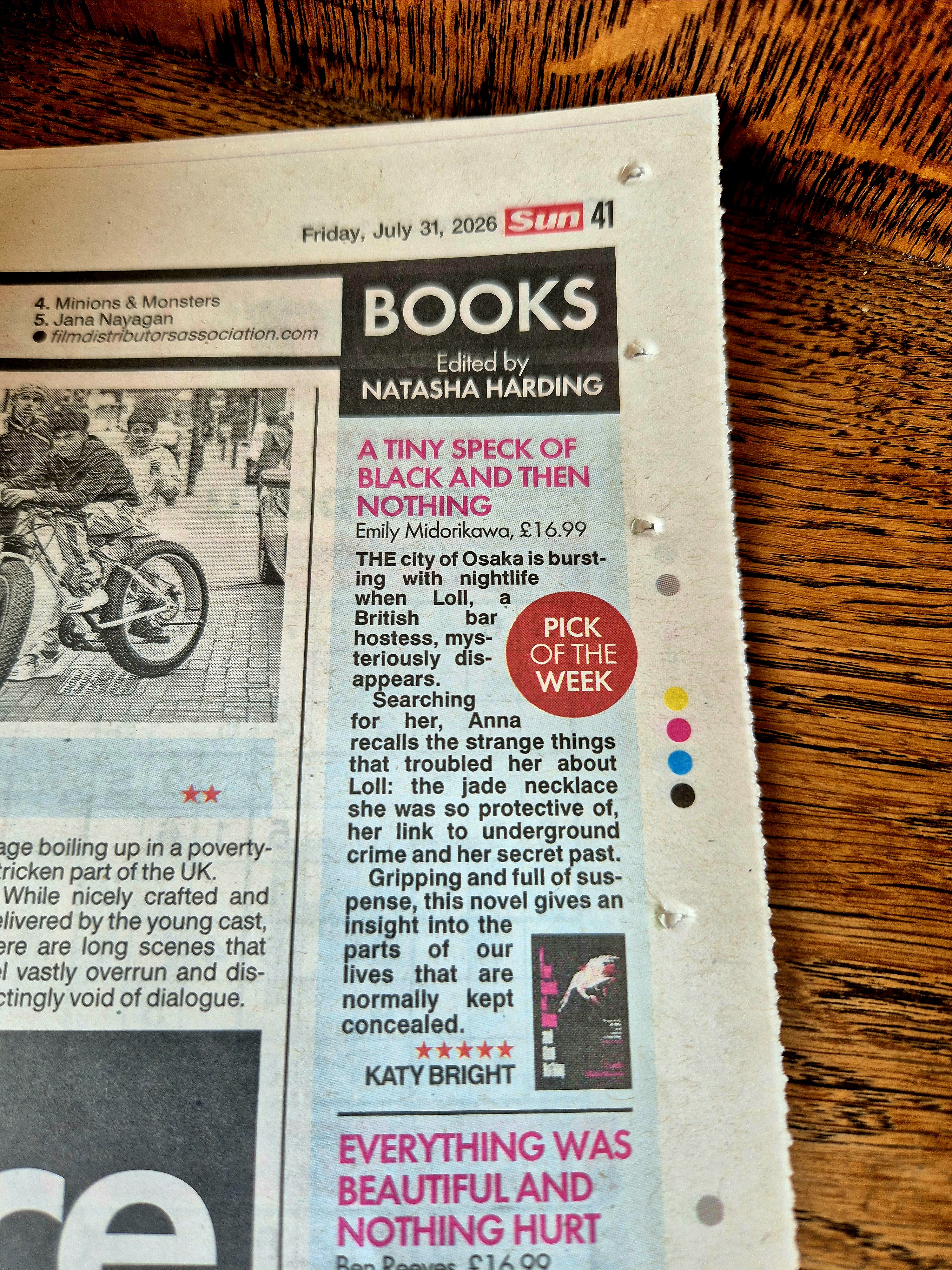
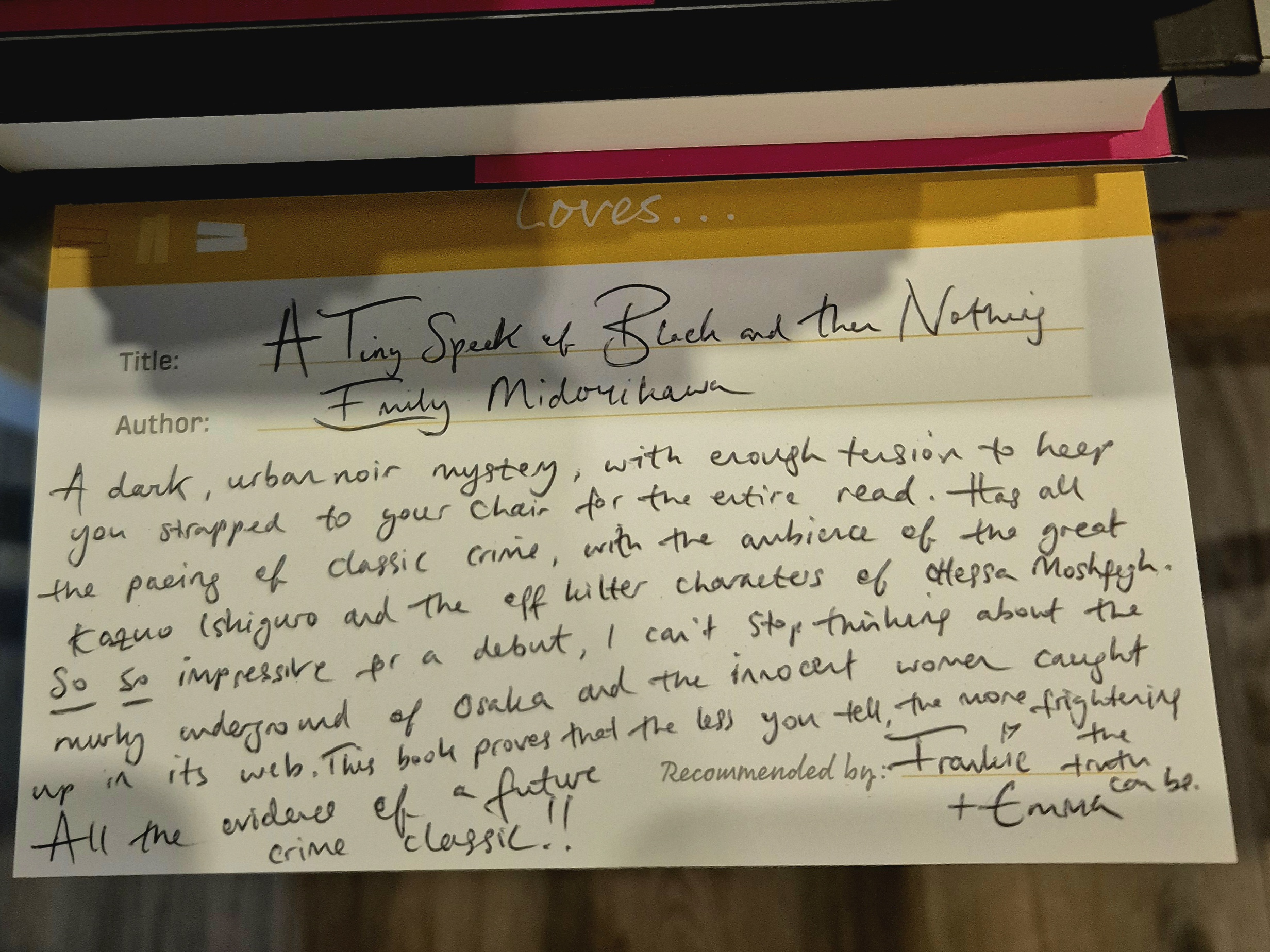
Set in the Japanese city of Osaka in the early 2000s, it is the story of Anna, who teaches English to bored students by day; and Loll, who passes her nights working in the smoky atmosphere of the Moonglow hostess bar, where she pours men’s drinks, lights their cigarettes and laughs playfully at their jokes. Unlike Anna, who has come to Japan to learn more about her Japanese heritage, Loll seems to have no clear reason for being there and no easily discernible past. And so when she suddenly disappears, there are only the barest clues as to where she might have gone. But, desperate to find her friend, Anna refuses to give up. Soon she is thrown onto a trail that will take her into the darkest corners of the neon-choked metropolis – hidden, forbidden places from which those who know the city best warn her to stay away.

To readers of A Secret Sisterhood and Out of the Shadows, this may seem like something of a departure from my last two published works, which were both historical group biographies.

However, my novel doesn’t really feel like a departure to me. This is, in part, because I began work on it many years ago, meaning that its development overlapped with the period when I was researching and planning A Secret Sisterhood (coauthored with Emma Claire Sweeney). It’s also because, having already published my two nonfiction books by the time I began revising the novel ahead of this year’s release, the lessons I’d learned from those experiences fed into the way I approached redrafting the novel. Finally, being able to view all three complete texts now, I can see links between these books – shared concerns; repeated motifs – that were not apparent to me before.

I first began sketching out A Tiny Speck of Black and then Nothing well over two decades ago, when I was in my early twenties and living in Japan. I am in my mid-forties now (and living, for the time being, in the USA), which may give something of a sense of what a long and convoluted path this book has taken to publication!

While A Tiny Speck of Black and then Nothing is a work of fiction, it was influenced indirectly by the two years I spent working in Japan as a high school English teacher; my experience growing up in a British-Japanese household; and the family stories my mother used to tell me.

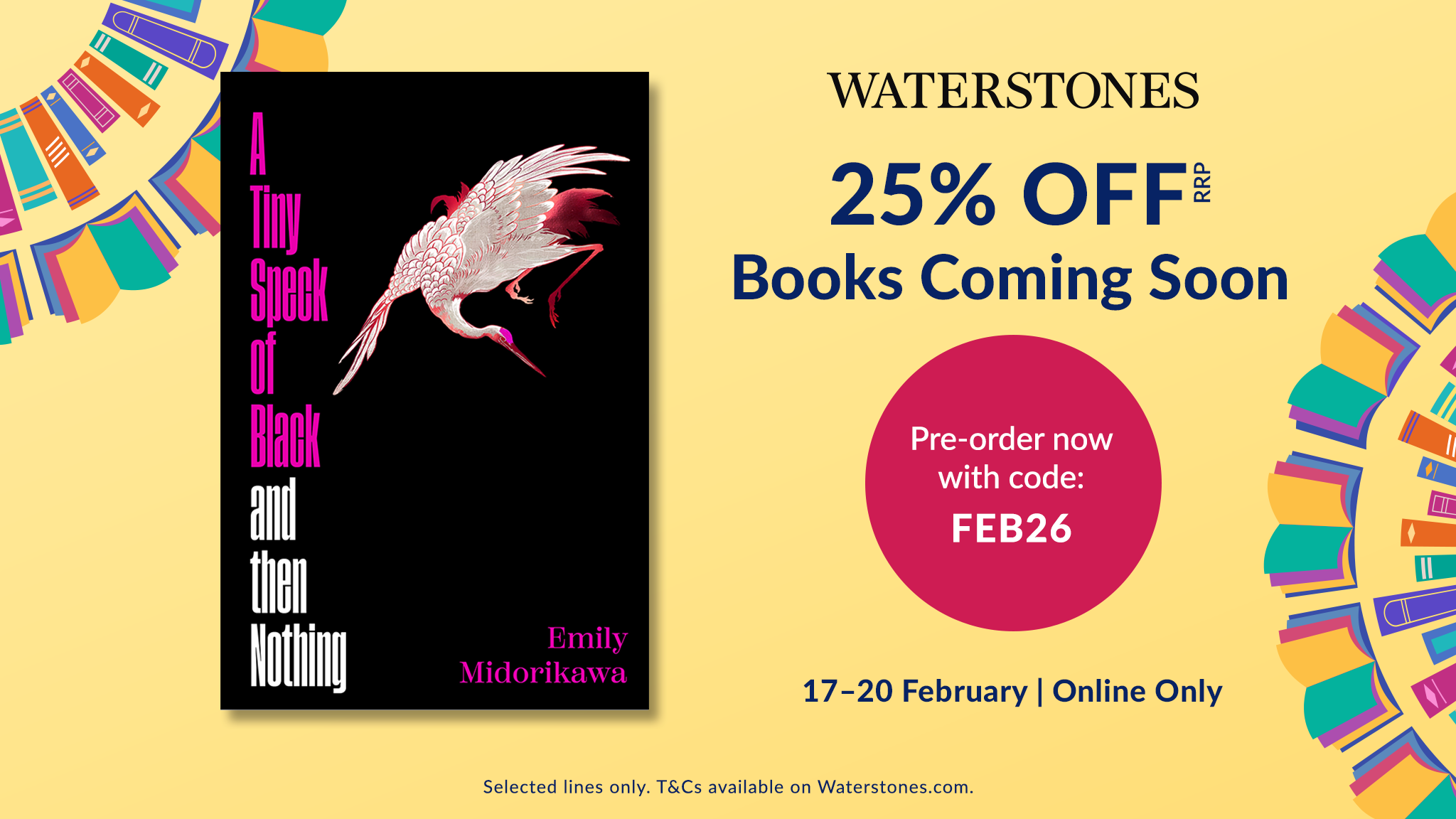
I’ll be sharing more about all of these things in the near future, but for now I’ll just leave you with the news that until this Friday only (20 February 2026) Waterstones has a 25%-off offer on preorders for the hardback.

As you might know, preorders are enormously helpful to authors because they let publishers and booksellers know ahead of publication that there is already reader interest in a book. If you are thinking about purchasing a copy anyway, I’d be very grateful if you would consider preordering one from Waterstones.

  • The offer runs only from 07.00 on Tuesday 17 February until 23.59 on Friday 20 February (UK, GMT)
  • Customers will need to enter the code “FEB26” at the checkout to redeem the offer to receive 25% off the RRP.
  • The offer will be exclusively available on the Waterstones website and the Waterstones app.

Being able to say that  A Tiny Speck of Black and then Nothing is going to be published, more than twenty years after I began it, still feels a bit unbelievable. For a long time, I had given up on the possibility of it ever seeing the light of day.

If you’d like to hear more about how the book was rescued from its metaphorical bottom drawer, its plot, main characters and inspirations – and you don’t already receive emails from this site to your inbox –  please use the sign-up box on my homepage to get yourself on my mailing list.

This has all been a long time coming. I really look forward to sharing more about the twists and turns of this novel’s unlikely journey with you.

Showcase and Yeovil Literary Prize short-listing

It’s been a busy couple of months since I last posted any news on this blog. Two recent pleasures for me were being involved with the New Writing Showcase by Novel Studio students at City University London, and making the shortlist for the Yeovil Literary Prize, judged this year by Tracy Chevalier.

Whilst I’m used to reading my own work in public, I’d never compered a readings event before the Novel Studio showcase, but I was helped by the fact that the students’ work was of such a good standard. The audience of family, friends and industry professionals all seemed to really enjoy the evening.

As for the short-listing – in the novel category, with my first book A Tiny Speck of Black and then Nothing – I’m obviously thrilled. I look forward to finding out the final results when they are announced.