At the start of 2003 – the year in which my forthcoming debut, A Tiny Speck of Black and then Nothing, is set – I was a young English language teacher working in Japanese high schools. I had arrived on the island of Shikoku two summers before, in late July 2001, bringing with me the secret desire to write – and publish – a novel.
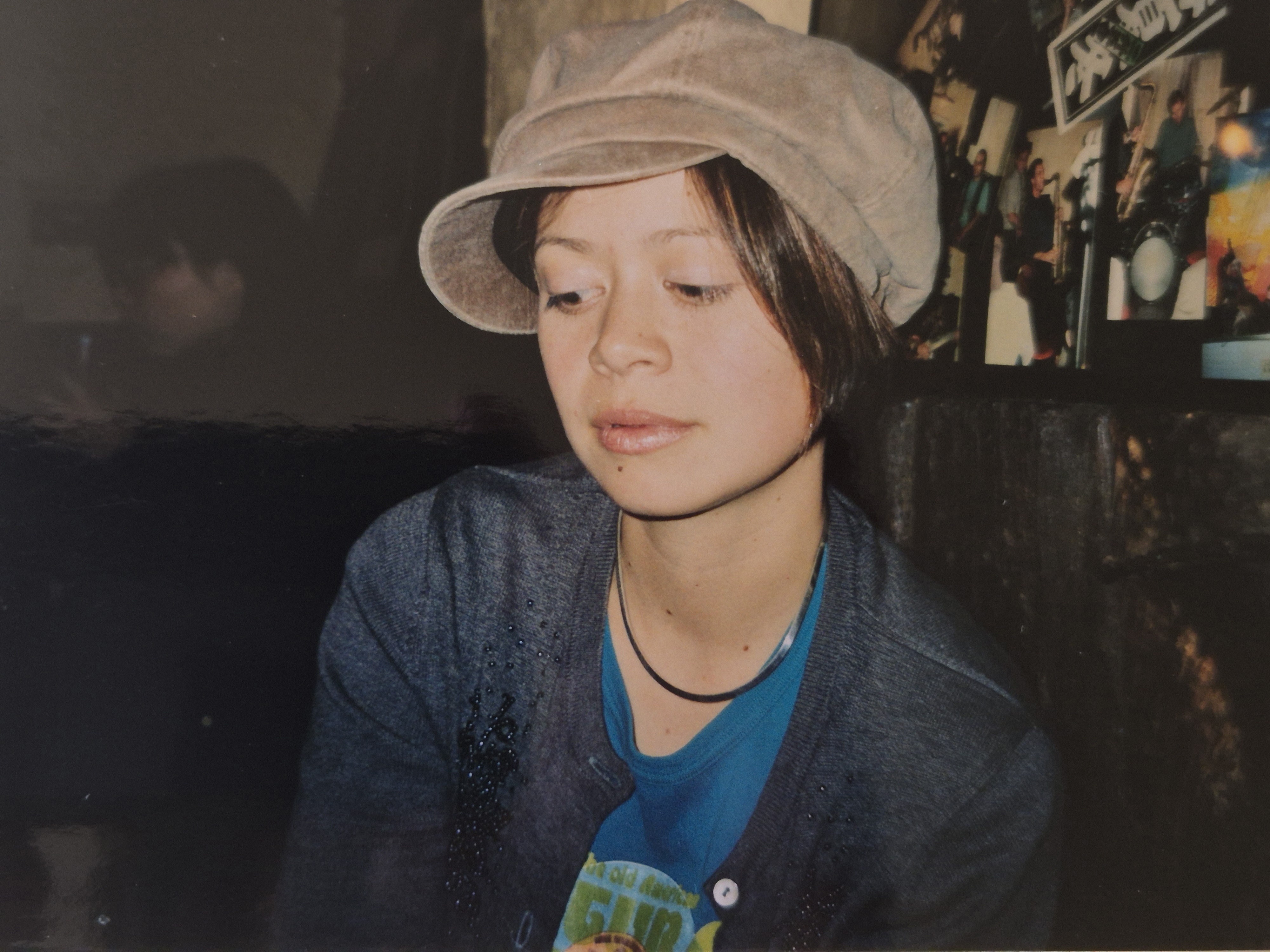
I had recently graduated from university and the decision to spend some time living in Japan had seemed a natural one. My mother was Japanese and, although I wasn’t bilingual, I had grown up in a home steeped in Japanese traditions. Unusually for the northern England of the 1980s, for instance, our family never wore shoes indoors. Our regular meals might include tempura, tonkatsu, bowls of rice and miso soup. There were Japanese books on my parents’ shelves; hanging scrolls daubed with swirling kanji hanging from the walls.
When I applied for the job, I’d hoped to be offered a position in one of Japan’s urban centres: Tokyo, Kyoto or perhaps Osaka, the major city I’d get to know best and the place where my novel is set. I was initially disappointed to learn that I would be posted to Matsuyama, the comparatively small capital of Ehime Prefecture, located on the smallest of Japan’s four main islands.
The location, however, would turn out to be serendipitous. Quite apart from the fact that I would grow very fond of Matsuyama itself, I can now look back and feel that, on a personal level, it was exactly the right place for me to be at exactly the right time.
For one thing, I consider it a great stroke of luck that my arrival in Ehime Prefecture coincided with that of another young woman, Emma Claire Sweeney, who had been offered a similar job in a nearby town. Like me, Emma secretly hoped to write and publish a book some day and, although we initially said nothing to each other of our shared ambitions, we became firm friends very quickly.
We often travelled together – Emma at the wheel of the car while I sat in the passenger seat, paper map in hand, directing us inexpertly. At the parties we went to, we’d huddle together in the corner, talking nonstop between sips of Asahi beer. Still, we didn’t mention our shared interest in writing, but as the months passed our conversations frequently turned to books we’d been reading and the writers we each admired.
When in the summer of 2002 we finally ‘came out’ to each other as aspiring authors, it felt like such a relief. We both sensed immediately that we would be able to support each other practically and emotionally – that we could try to achieve our aims together.
Although Emma left Japan, to continue travelling in Asia, shortly afterwards, our friendship only grew stronger.

After many years of critiquing each other’s manuscripts and even publishing a number of cowritten articles, we published a jointly-authored group biography, A Secret Sisterhood: The Hidden Friendships of Austen, Brontë, Eliot and Woolf, which explored historical literary collaborations.
In addition to my important friendship with Emma, the other gift my time in Matsuyama gave me was the luxury of solitude.
Prior to moving to Japan, I had always lived with other people. Now I rented a tiny studio apartment on my own and, although I never felt that I lacked for friends, including Emma, I seemed to spend great swathes of each week alone. I used to while away many hours reading books in favourite cafes, watching English-language films with Japanese subtitles rented on chunky video cassettes, or simply riding my bicycle around the streets of the city: passing roadside shrines; traditional noodle bars tucked behind curtained doorways; fashionable clothing boutiques, J-pop melodies trailing from their doors.
I would record my impressions of sights like these, and much more, in a series of notebooks. Over time, I began jotting down snippets of fiction among these day-to-day scribblings. Eventually, I started writing my way into a version of the book that would eventually become my debut novel.
When my plane rose into the sky above Matsuyama in July 2003, at the start of my journey back to Britain, I could feel how much I’d changed from the person I was when I arrived two years before. I had a better understanding of the country in which my mother had grown up; I’d found a friend who shared the same writerly ambitions as me; now that I had committed to the book I was writing, I even had an end goal:
I would finish my novel and try to find a publisher. It sounded simple when I put it like that. But, as I’ll explore here next month, these things would be much easier said than done.
A Tiny Speck of Black and then Nothing will be published in the UK on 23 July 2026 (US release date to follow) and is available for pre-ordering now.
If you would like to receive my monthly newsletter, please sign up for my mailing list here.

 Emily Midorikawa