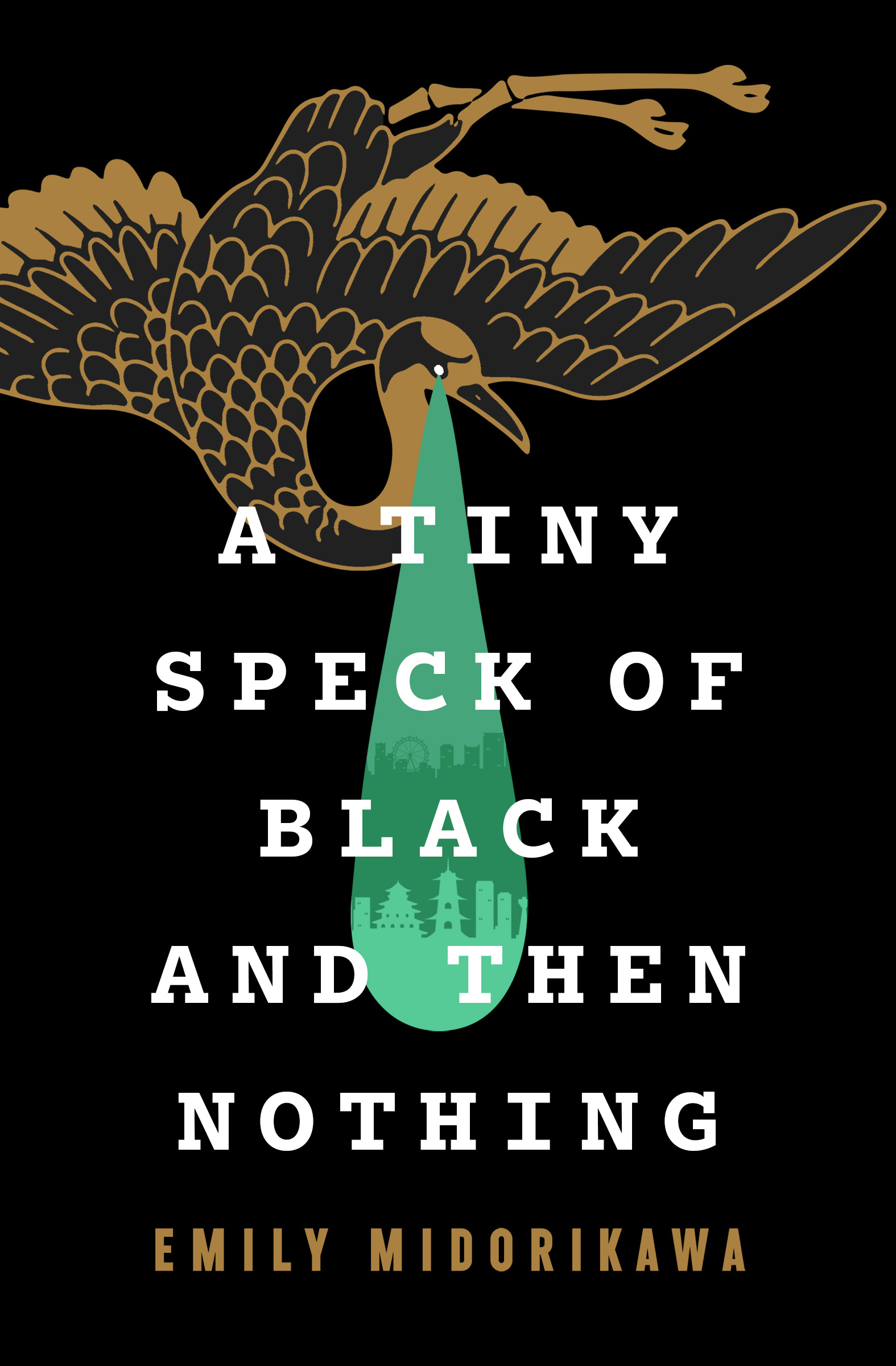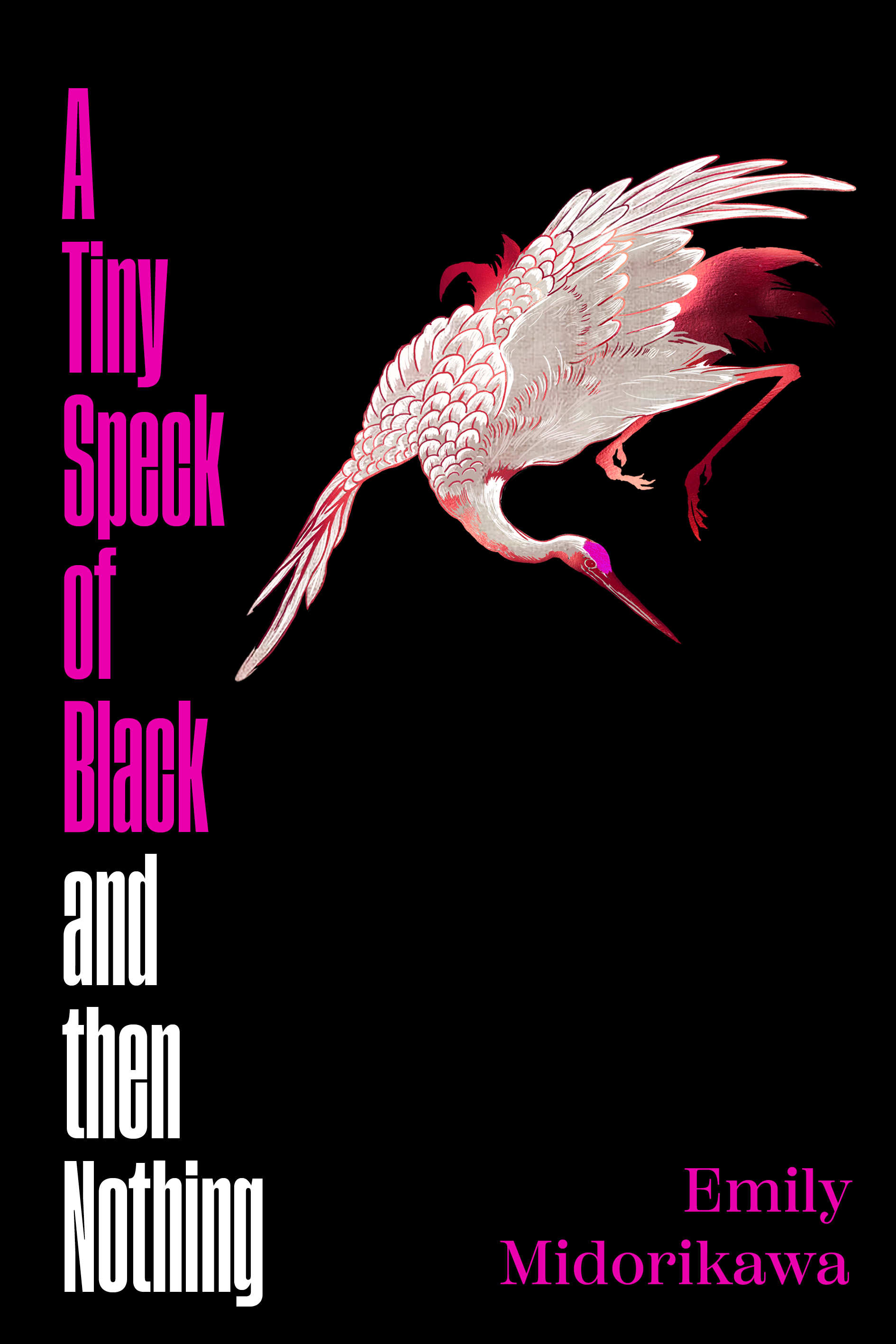
It still feels surreal to me that the novel I began close to a quarter of a century ago is finally being published by Manilla Press today! It amazes me that I can now walk into a UK bookshop and pick up a hardback copy of A Tiny Speck of Black and then Nothing. The novel is also available as an ebook and audiobook, beautifully narrated by Jacqui Bardelang.
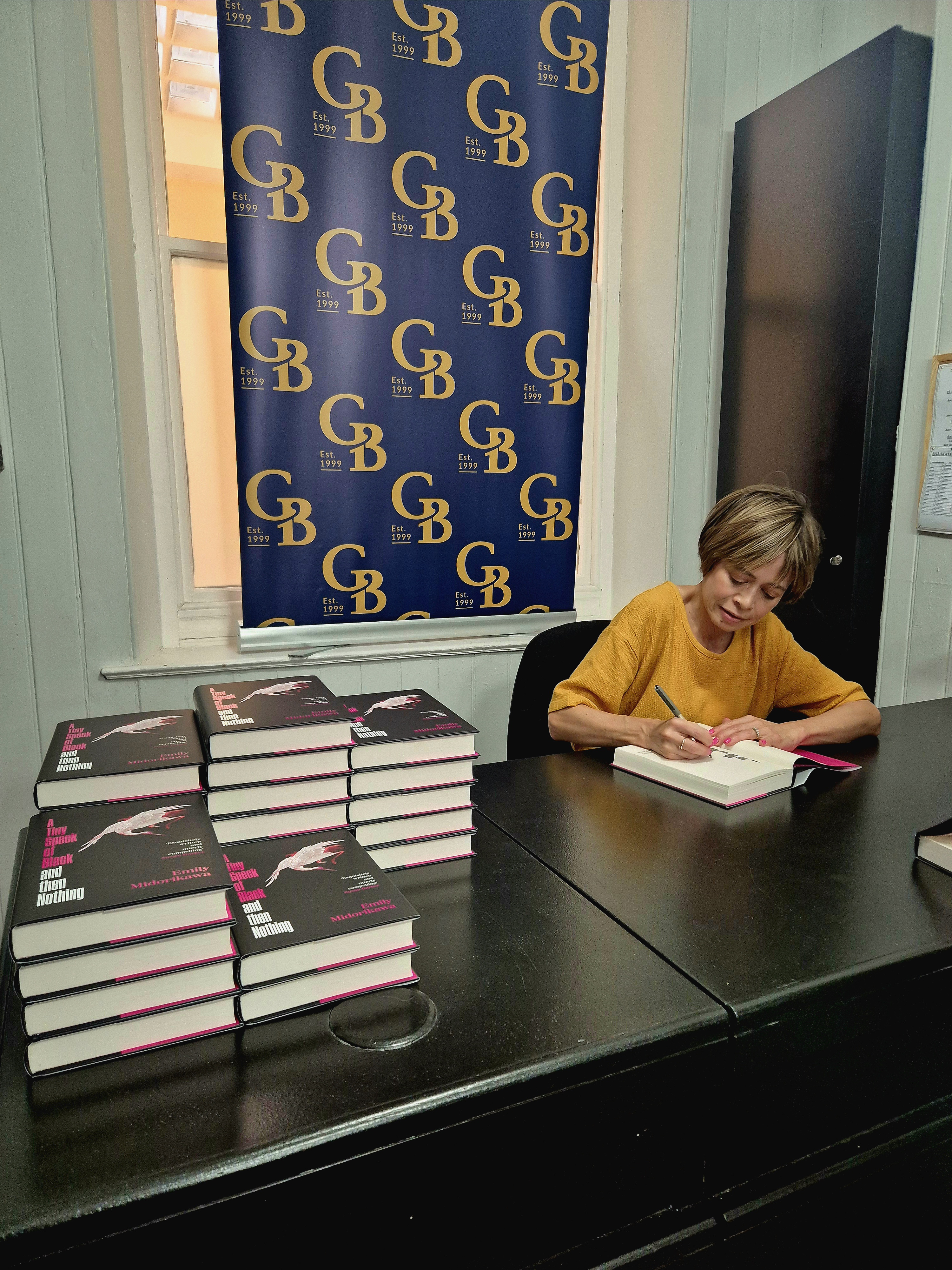
I’ve spent some very happy hours this week signing copies of my novel at Burley Fisher Books, Goldsboro Books and West End Lane Books in London ahead of today’s official release date. It was also a thrill to launch A Tiny Speck of Black and then Nothing into the world a couple of days early with a pre-publication event at Burley Fisher, chaired by my friend and Secret Sisterhood coauthor, Emma Claire Sweeney.
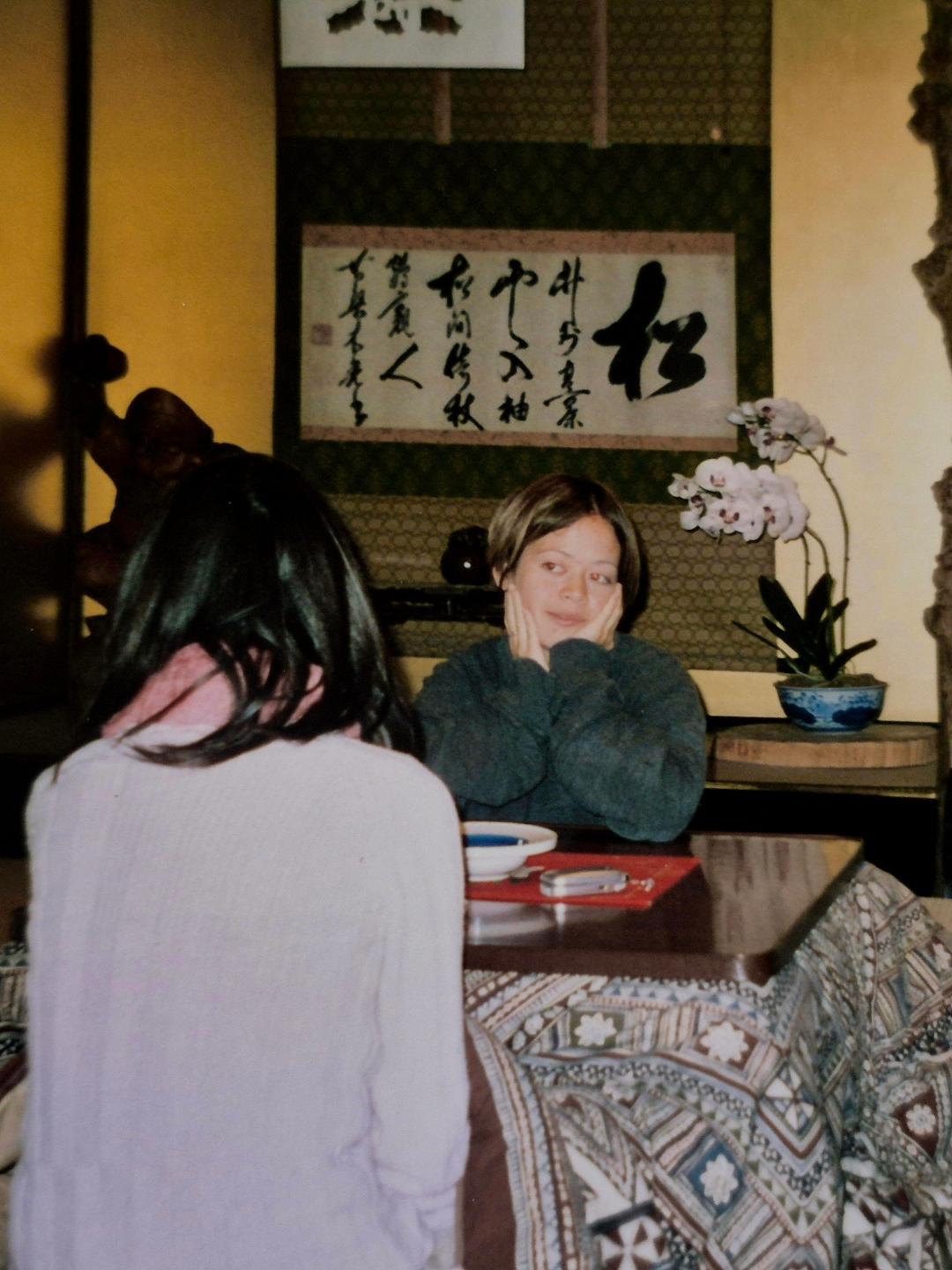
Since Emma has been a part of my novel’s strange and convoluted journey right from the beginning, when we were both young English language teachers in Japan, it felt particularly apt that she should be the one sitting there with me in that East London bookshop on Tuesday asking me questions about the book and its long and winding course to publication.
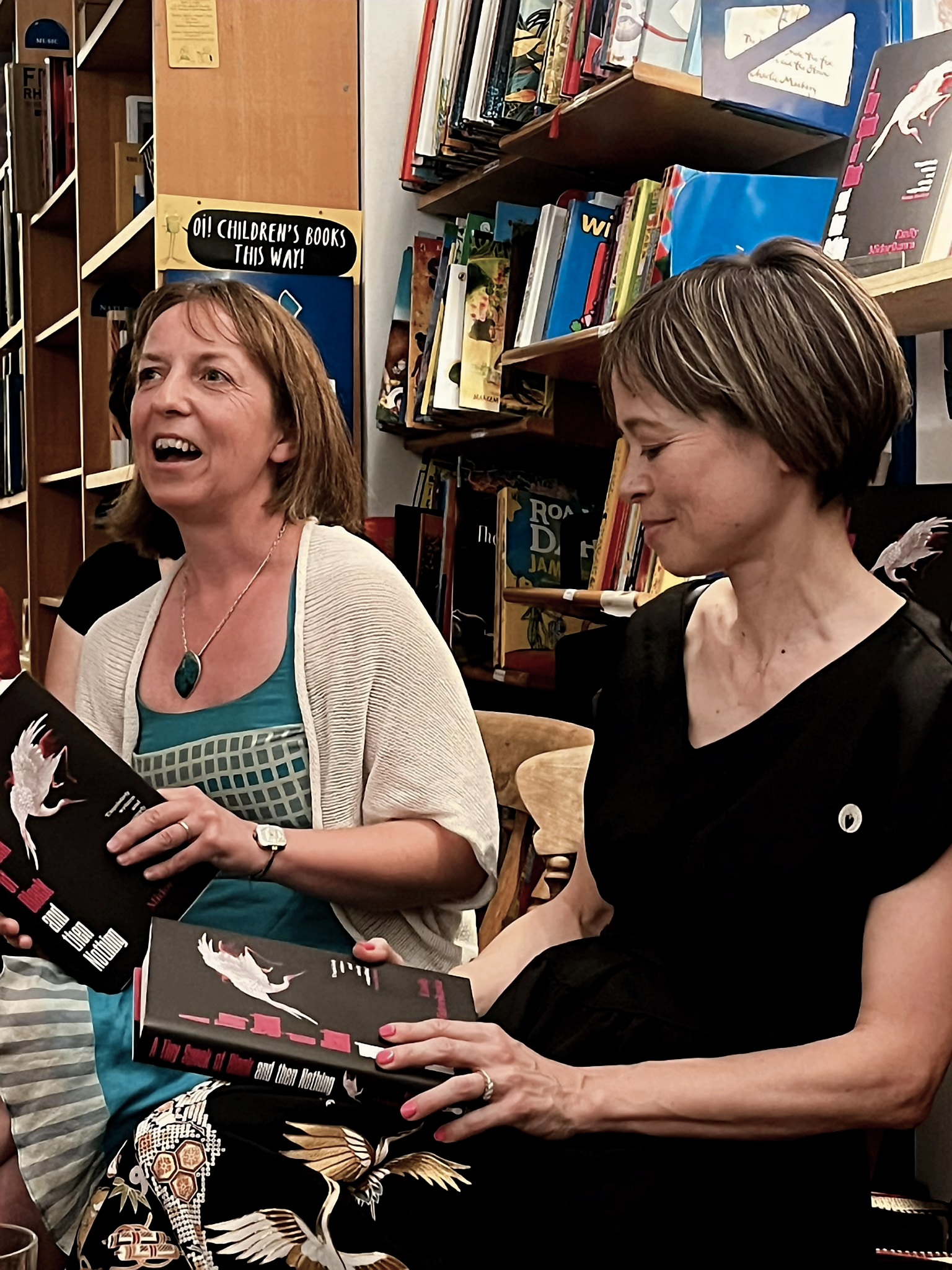
As I wrote in a previous newsletter, the two years I spent in Japan as a young woman – and meeting Emma in particular – marked both a personal turning point and the very start of my writing career. And so sitting there in a shop packed with family and friends that evening really felt like the culmination of a very long chapter in my life as well as a new beginning.
Other things I’ve been up to this week include recording an episode for one of my favourite podcasts, Lost Ladies of Lit, to air as part of their next season in September. It was such fun to chat with Kim Askew and Amy Helmes, and to share my passion for the 1950s domestic noir The Hours Before Dawn, which I count as a literary influence. I also took part in the July Bàrd Debuts night at Bàrd Books, at which I shared the stage with other debut novelists: Lorna Elcock, Karishma Jobanputra, Kim Willis, Phil Melanson and Stacey Yu.
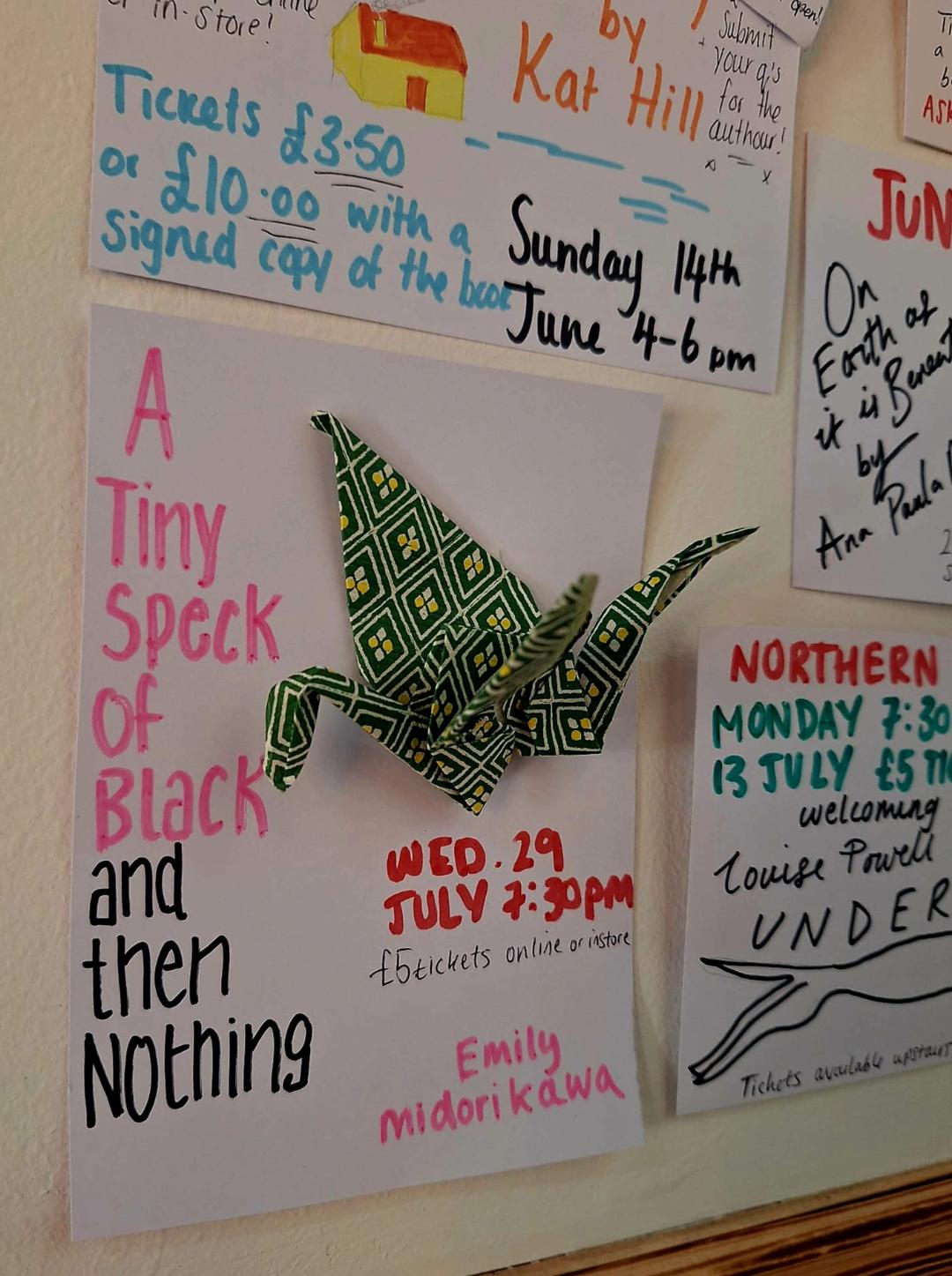
Tonight I’ll be at Blackwell’s in Manchester, where I’ll be in conversation with Susan Barker, author of Old Soul. On Wednesday 29 July I’ll be heading further north for an event at Collected in Durham. I’ll be back in London for a talk at Woolwich Library on Thursday 6 August, co-presented by the JET Alumni Association. If you can make it to any of these events, it would be lovely to see you.
Like Tuesday’s discussion with my longtime friend and writing partner Emma, there is an element of things coming full circle with the Woolwich Library event in particular.

The two years I spent living and working in Japan in my twenties were organised by the JET Programme. If I had not applied for this scheme, I would not have met Emma; I would quite possibly never experienced living in the country in which my mother grew up; would most certainly never have written A Tiny Speck of Black and then Nothing. Perhaps I will have the chance to reflect on some of these things on 6 August in Woolwich. Either way, I am definitely looking forward to this event.
If you can’t make it to any of my live talks, but would be interested in finding out a bit more about A Tiny Speck of Black and then Nothing and the story behind it, you might want to take a look at this video conversation between me and the author and creative coach Rachel Connor. I’ll be sharing more news of video and audio content in my future newsletters, as well as getting back to the usual essay style of these postings next month.
For now, I’d like to take the opportunity to thank everyone who has supported my novel at different stages along the way. That includes all the individuals and organisations mentioned in this post, plus my literary agent Ariella Feiner and editor Zoe Yang who were in it for the long haul, my friends and family, and every single person who’s taken the time to buy a copy or spread the word about A Tiny Speck of Black and then Nothing. It may sound trite, but I mean it sincerely: your encouragement really has meant the world to me.
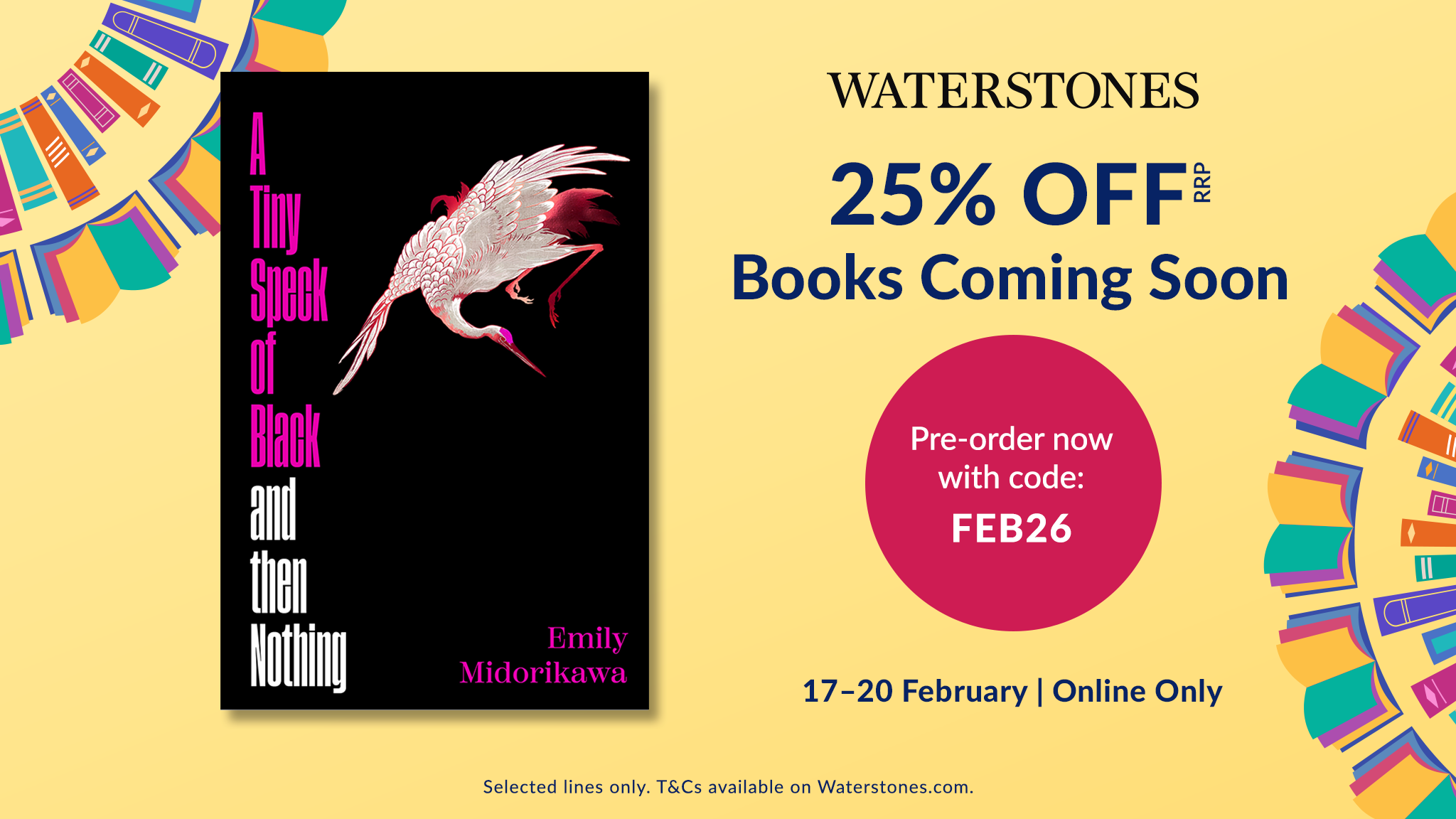
A Tiny Speck of Black and then Nothing is published by Manilla Press and is available as a hardback, ebook and audiobook. In the UK, copies are available from Blackwell’s, Waterstones, Bookshop.Org, Amazon or your favourite independent bookshop.
The US e-book, published by Open Road on 4 August, is available for pre-ordering from Barnes & Noble, Bookshop.Org, Amazon and independent bookstores. The US paperback will be released in November and will be available for pre-ordering soon. (The audiobook is already available in the US and Canada, as it is elsewhere.)
Tickets for these upcoming events are available at the following links: Blackwells, Manchester (Thursday 23 July), Collected in Durham (Wednesday 29 July) and ‘A Tiny Speck of Black and then a Conversation with Emily Midorikawa’ presented by Woolwich Library & JET AA in London (Thursday 6 August).
A Tiny Speck of Black and then Nothing was included in the Crib Notes Hot Mum Summer Reading List 2026.
If you would like to make sure you receive my next monthly essay, and others like it, you can sign up for my newsletter here.